Neuromind Pro Official Website › Blog › Does Neuromind Pro work?
Does Neuromind Pro Work? What The Evidence Can And Cannot Tell You
Nobody can promise it. No trial of the finished capsule is published. Caffeine has the strongest record and acts the same day. Most other ingredients were studied at doses larger than the whole 151 mg blend. A fair personal test takes four to eight weeks, with notes.
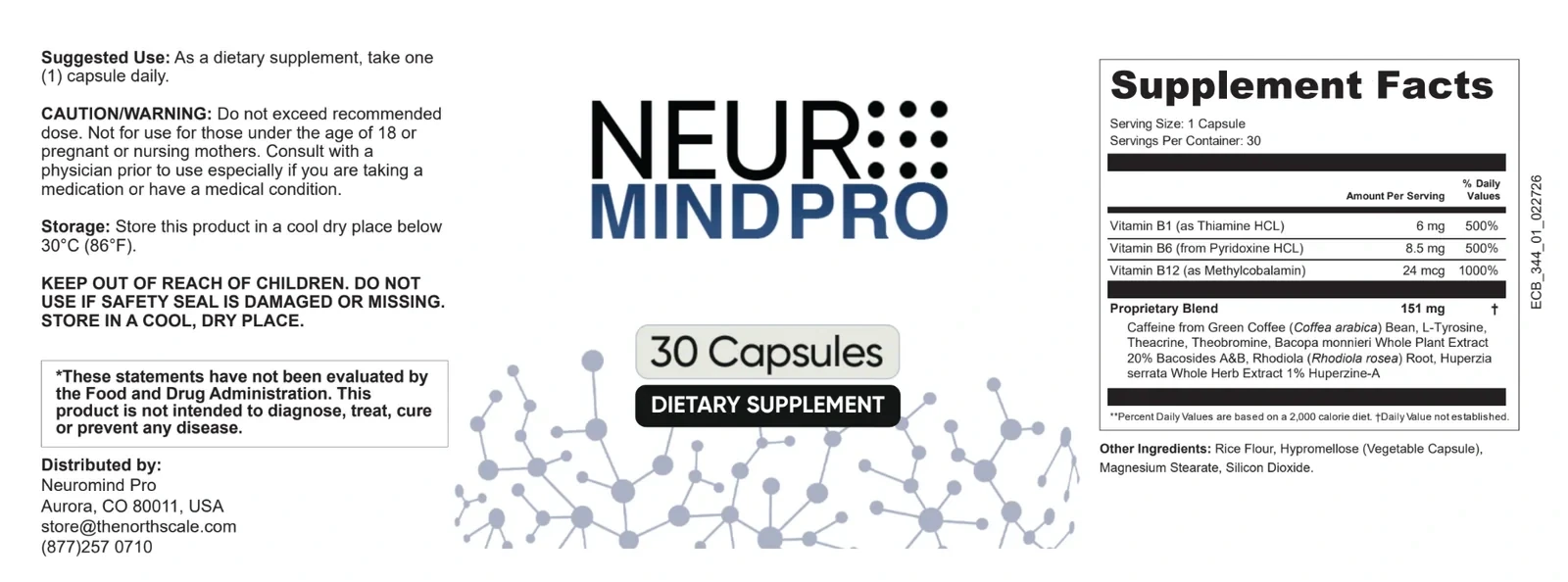
- The label claim is only that it is designed to support cognitive function and mental clarity.
- No clinical trial of the finished capsule is published. Studies cited here are on single ingredients.
- Caffeine has the best-established effect, on alertness and reaction time, and it acts the same day.
- Six of the seven blend ingredients have trial doses larger than the full 151 mg blend. Huperzine-A is the exception.
- The B vitamins matter mainly if you were short of them. Without a shortfall, trials found little.
- The seller says buyers commonly wait 4–8 weeks before judging it.
Is “does it work” the right first question?
It is the question everyone types, but it hides a better one: which part of the capsule are you asking about? The answer changes a lot from one ingredient to the next.
The stimulant part acts within hours. The plant extracts were measured over weeks and months. The vitamins matter mostly if your body was short of them. A single yes or no cannot cover three different stories.
It also helps to know what a supplement claim means. The bottle says “designed to support cognitive function and mental clarity”. That is a support claim, not a promise of a result, and it is not a claim about any disease.
What did the research on each ingredient measure?
This table sets the trial dose next to the 151 mg ceiling. The trial figures are what each study used. They are not what this capsule holds, and the comparison is the point.
| Ingredient | What studies measured | Dose used in trials | Fits in 151 mg? |
|---|---|---|---|
| Caffeine | Alertness, vigilance, reaction time | Clearest above about 200 mg | No |
| Bacopa monnieri | Speed of attention at twelve weeks or more | 300 mg a day | No |
| Rhodiola rosea | Fatigue and how heavy effort feels | 400–576 mg a day | No |
| Theacrine | Self-rated energy | 125–400 mg a day | No |
| Theobromine | Mood and heart rate | 250–1,000 mg | No |
| L-tyrosine | Working memory under cold, noise or lost sleep | 2 g a day | No, by a wide margin |
| Huperzine-A | Cognitive scores in dementia trials | 0.4–0.8 mg a day | Yes, easily; amount not published |
Source for the dose column: the seller’s own pack figures. The 151 mg total is a ceiling shared by seven ingredients.
Judge it with notes, not hope.
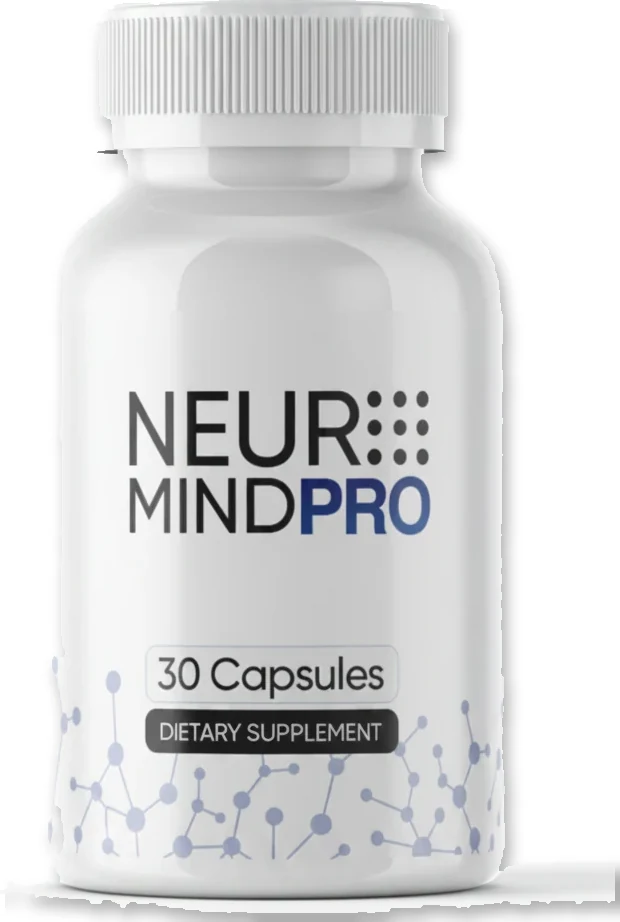
The official page shows the label, the packs and the 60-day terms so you can run a fair test.
See today’s price and guaranteeGetneuromind earns when an order is placed through this website. How the desk earns, in its own words.
Why do the doses matter so much?
A mechanism only becomes an effect at a dose. Caffeine blocking tiredness signals is real. Bacopa building attention speed over months is real in the trials that found it. But a trial dose is what the researchers poured out, and this blend cannot hold most of those amounts even if it were made of just one ingredient.
Take bacopa. Its trials ran 300 mg a day for twelve weeks. The entire blend, all seven ingredients together, is 151 mg. Take rhodiola: the trials used 400 to 576 mg. L-tyrosine is the starkest case, with trials measured in grams.
Huperzine-A is the odd one out. Its trial range fits inside the blend with room to spare. It is also the one ingredient that acts like a drug class, and its amount is not published. That is not a reason for alarm. It is a reason to read the label with care.
Do the B vitamins add anything?
They do one of two things. If you were short of vitamin B12 or thiamine, correcting that helps thinking in a well-documented way. A 2025 systematic review found lower thiamine tracking with poorer attention and memory in alcohol use disorder.
If you were not short, the honest expectation is nothing measurable. A meta-analysis of 6,276 participants found no effect of B12 on any cognitive subdomain in people who were not deficient. A 2025 meta-analysis put the average effect of B vitamins on thinking in older adults at very small. So think of those three rows as insurance, not as a lever.
What can you realistically expect?
On day one, if you notice anything, it will be the caffeine, and the best you can say is that it may feel like a coffee. After that the picture is quieter. The slower ingredients were measured on specific tasks, such as speed of attention or how heavy effort feels. They were not measured on memory in general.
One more honest point from the research summaries: the supportable list of ingredients in this category is much shorter than the shelf. A review of 103 memory supplements sold in U.S. pharmacies and a systematic review of cognitive supplement ingredients in healthy adults point the same way. Caffeine and bacopa come out of both better than most, and both are in this capsule. How seven names share one total is the separate question the dose table answers.
How could you test it on yourself?
Choose one thing you can score. It could be minutes before your first distraction, pages read before your attention drifts, or how the fourth hour of work feels on a one to five scale.
- Write the score for one ordinary week before the first capsule.
- Change nothing else for the first two weeks. Keep your coffee steady.
- Note your sleep on the same line, because a bad night explains more than any capsule.
- Read your notes at four weeks and again at eight, not your memory of how it felt.
- Decide while the 60-day window is still open.
If eight weeks of notes show nothing, the refund route is the clear answer, not a third bottle.
Where do these facts come from?
Everything numeric above comes from the seller’s pack figures or from the studies below. These studies are about single ingredients, not the finished capsule.
- McLellan TM, Caldwell JA, Lieberman HR. A review of caffeine's effects on cognitive, physical and occupational performance. Neurosci Biobehav Rev. 2016;71:294-312. https://pubmed.ncbi.nlm.nih.gov/27612937/
- Irwin C, Khalesi S, Desbrow B, et al. Effects of acute caffeine consumption following sleep loss on cognitive, physical, occupational and driving performance: a systematic review and meta-analysis. Neurosci Biobehav Rev. 2020;108:877-888. https://pubmed.ncbi.nlm.nih.gov/31837359/
- Kongkeaw C, Dilokthornsakul P, Thanarangsarit P, et al. Meta-analysis of randomized controlled trials on cognitive effects of Bacopa monnieri extract. J Ethnopharmacol. 2014;151(1):528-535. https://pubmed.ncbi.nlm.nih.gov/24252493/
- Calabrese C, Gregory WL, Leo M, et al. Effects of a standardized Bacopa monnieri extract on cognitive performance, anxiety, and depression in the elderly: a randomized, double-blind, placebo-controlled trial. J Altern Complement Med. 2008;14(6):707-713. https://pubmed.ncbi.nlm.nih.gov/18611150/
- Lopresti AL, Smith SJ. The effects of a Bacopa monnieri extract (Bacumen) on cognition, stress, and fatigue in healthy adults: a randomized, double-blind, placebo-controlled trial. Clin Drug Investig. 2025;45(12):967-982. https://pubmed.ncbi.nlm.nih.gov/41091332/
- Hung SK, Perry R, Ernst E. The effectiveness and efficacy of Rhodiola rosea L.: a systematic review of randomized clinical trials. Phytomedicine. 2011;18(4):235-244. https://pubmed.ncbi.nlm.nih.gov/21036578/
- Jongkees BJ, Hommel B, Kuhn S, et al. Effect of tyrosine supplementation on clinical and healthy populations under stress or cognitive demands: a review. J Psychiatr Res. 2015;70:50-57. https://pubmed.ncbi.nlm.nih.gov/26424423/
- Kuhman DJ, Joyner KJ, Bloomer RJ. Cognitive performance and mood following ingestion of a theacrine-containing dietary supplement, caffeine, or placebo by young men and women. Nutrients. 2015;7(11):9618-9632. https://pubmed.ncbi.nlm.nih.gov/26610558/
- Baggott MJ, Childs E, Hart AB, et al. Psychopharmacology of theobromine in healthy volunteers. Psychopharmacology (Berl). 2013;228(1):109-118. https://pubmed.ncbi.nlm.nih.gov/23420115/
- Li J, Wu HM, Zhou RL, et al. Huperzine A for Alzheimer's disease. Cochrane Database Syst Rev. 2008;(2):CD005592. https://pubmed.ncbi.nlm.nih.gov/18425924/
- Markun S, Gravestock I, Jager L, et al. Effects of vitamin B12 supplementation on cognitive function, depressive symptoms, and fatigue: a systematic review, meta-analysis, and meta-regression. Nutrients. 2021;13(3). https://pubmed.ncbi.nlm.nih.gov/33809274/
- Berg J, Grant R, Siervo M, et al. Efficacy of B vitamin supplementation on global cognitive function in older adults: a systematic review and meta-analysis. Nutr Rev. 2025;83(12):2256-2267. https://pubmed.ncbi.nlm.nih.gov/40966571/
- Teixeira J, Pereira I, Castanho M, et al. What is the impact of thiamine deficiency on cognitive function in patients with alcohol use disorder? A systematic review. Eur J Intern Med. 2025;134:59-65. https://pubmed.ncbi.nlm.nih.gov/39818490/
- Crawford C, Boyd C, Deuster PA. Dietary supplement ingredients for optimizing cognitive performance among healthy adults: a systematic review. J Altern Complement Med. 2021;27(11):940-958. https://pubmed.ncbi.nlm.nih.gov/34370563/
- Hersant H, He S, Maliha P, et al. Over the counter supplements for memory: a review of available evidence. CNS Drugs. 2023;37(9):797-817. https://pubmed.ncbi.nlm.nih.gov/37603263/
Frequently asked questions
Does Neuromind Pro really work?
No one can promise it. The finished capsule has no published trial. Its caffeine has a strong record for alertness, while the other ingredients were studied at doses that mostly exceed the whole 151 mg blend.
Do Neuromind tablets work for memory?
The label does not claim memory improvement. It claims support for cognitive function and mental clarity. Bacopa's trials found faster attention rather than better recall.
Is Neuromind Pro effective?
Effectiveness has not been shown for the finished capsule. Ingredient studies exist, but they used their own doses, and seven amounts in this capsule are not published.
Why do some people say it did nothing?
Often they judged it in week one, when only the caffeine has had time to act. The slower ingredients were measured over weeks, and the B vitamins matter mainly if you were short of them.
Is Neuromind Pro worth it?
That depends on what you value. You get one capsule a day, three printed vitamin amounts and a 60-day money-back window. You do not get a printed amount for seven ingredients.
How should I judge it fairly?
Write one measurable score for a week before you start, change nothing else, and read your notes at four and eight weeks. Decide before day 60.
Our view
Our view is that the honest answer is “it depends, and it is unproven as a finished capsule”. The caffeine part will do what caffeine does. The rest asks for patience, and the doses behind the research are mostly larger than the blend can hold.
If you want a same-day lift only, plain caffeine is cheaper and better studied. If you like one capsule a day, accept a ceiling instead of seven amounts, and will run a notebook test for two months, this is a fair thing to try. The 60-day window is there for the case where it does nothing for you.
Please do not use it to treat a memory problem. Take that to a doctor.
Neuromind Pro is a dietary supplement. It is not FDA approved, and no supplement is. These statements have not been evaluated by the Food and Drug Administration. This product is not intended to diagnose, treat, cure or prevent any disease. Memory or attention concerns belong with a doctor, not a supplement. Ask before you start if you take medicine.
If you want to test it yourself, the window is built for that.
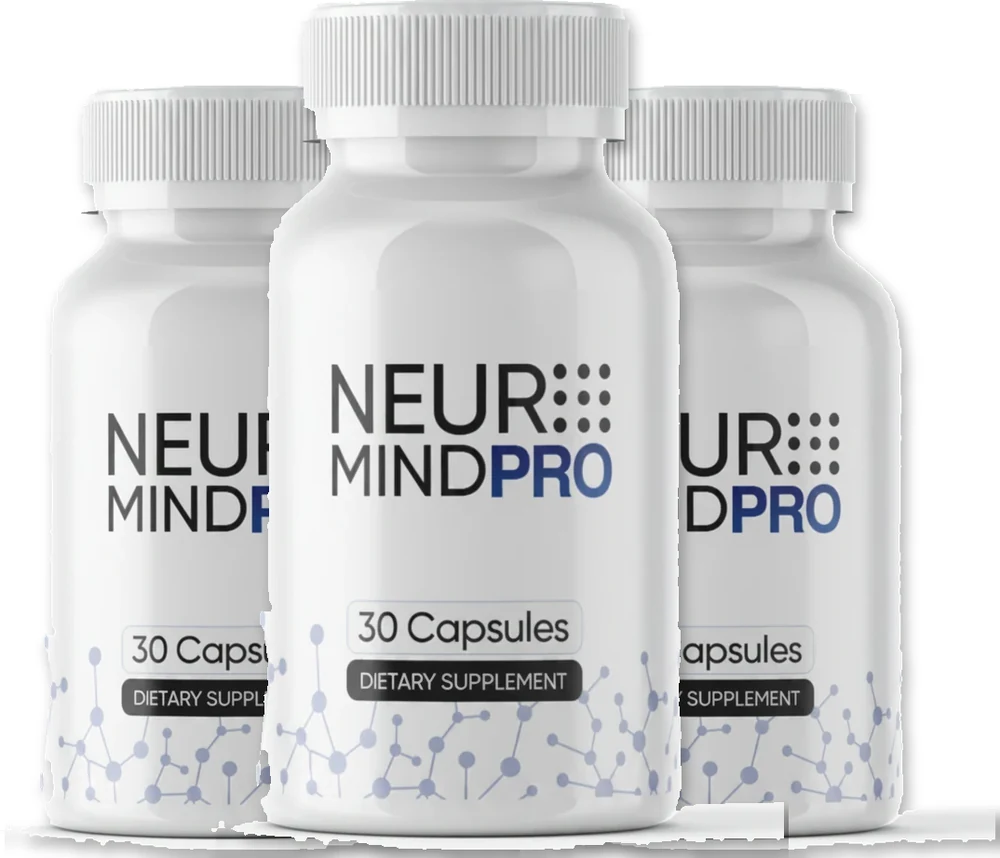
Two, three or six bottles, one payment. The checkout shows today’s price.
See today’s price and guaranteeGetneuromind earns when an order is placed through this website. How the desk earns, in its own words.