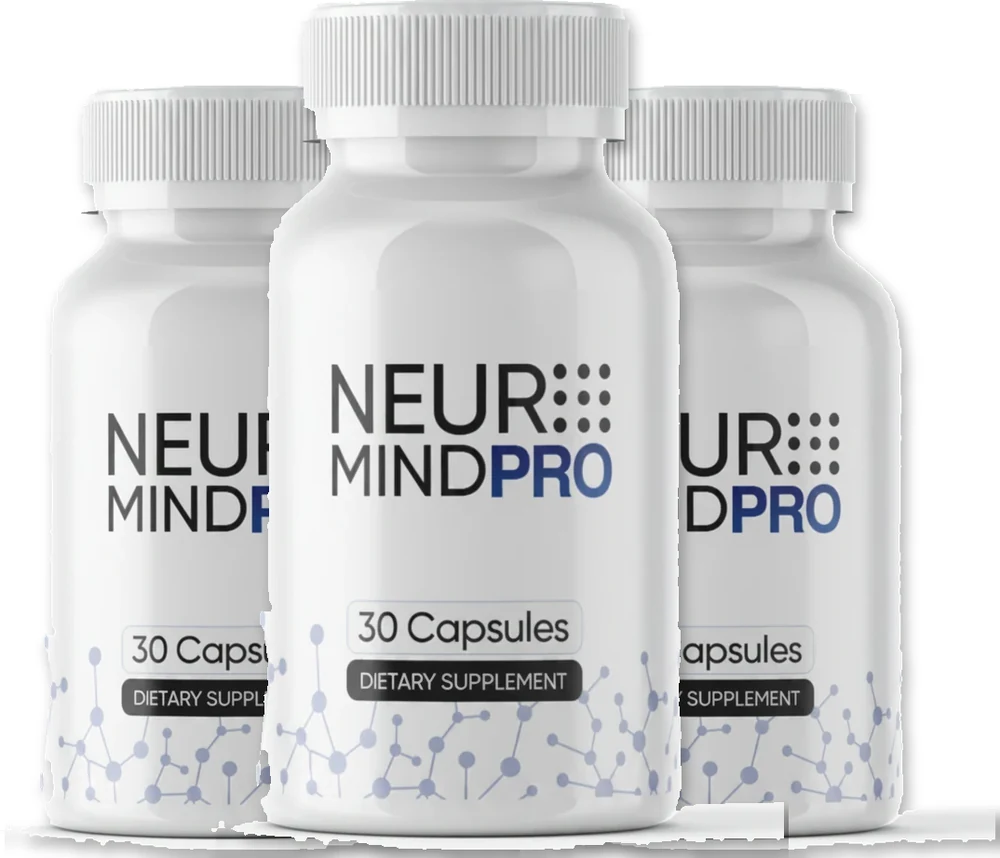
Neuromind Pro Official Website › Supplement Facts
Supplement FactsNeuromind Pro Supplement Facts: The Full Label
Each Neuromind Pro capsule holds three B vitamins and a 151 mg proprietary blend.
That is thiamine 6 mg (500% DV), vitamin B6 8.5 mg (500%) and vitamin B12 24 mcg (1000%). Other ingredients are rice flour, hypromellose, magnesium stearate and silicon dioxide.
Every printed row, in the order the bottle prints it, with the amount each ingredient was studied at beside it.
The Neuromind Pro Supplement Facts panel, row by row
Four rows, reproduced exactly as they appear on the bottle.
| Row as the label prints it | Amount per serving | % Daily Value |
|---|---|---|
| Vitamin B1 (as Thiamine HCL) | 6 mg | 500% |
| Vitamin B6 (from Pyridoxine HCL) | 8.5 mg | 500% |
| Vitamin B12 (as Methylcobalamin) | 24 mcg | 1000% |
| Proprietary Blend | 151 mg | † |
Serving size: one capsule. Servings per container: 30. Read from the printed label artwork.
Serving size is one capsule and the bottle holds thirty, so a bottle is a month and every figure above is what a single day delivers. The dagger against the fourth row is the standard mark for a nutrient with no Daily Value assigned, which is true of all seven ingredients sharing that line.
The first three rows are complete in themselves: an amount and a percentage each, ready to be added to whatever else is in your cupboard. The fourth works on a different principle.
What is inside the Neuromind Pro proprietary blend?
Seven names, listed by the bottle in weight order.
Ingredients inside a blend line appear in descending order of predominance by weight, which is what the labelling rule asks for. Caffeine from green coffee bean is therefore the heaviest item in that 151 mg and Huperzia serrata is the lightest. That ordering is quantitative information, and most readers walk straight past it.
| Weight order | As the label prints it | What it is |
|---|---|---|
| 1st | Caffeine from Green Coffee (Coffea arabica) Bean | A methylxanthine from unroasted coffee beans rather than synthetic caffeine. First on the line means heaviest of the seven. |
| 2nd | L-Tyrosine | An amino acid the body converts into dopamine and noradrenaline. |
| 3rd | Theacrine | A purine alkaloid from kucha tea, close enough to caffeine in structure to behave a little like it. |
| 4th | Theobromine | The main methylxanthine in cocoa. Slower to absorb than caffeine and slower to clear. |
| 5th | Bacopa monnieri Whole Plant Extract 20% Bacosides A&B | A standardised herb extract. The 20% figure is the concentration of its marker compounds. |
| 6th | Rhodiola rosea Root | An arctic root whose trials measure fatigue and perceived effort rather than recall. |
| 7th | Huperzia serrata Whole Herb Extract 1% Huperzine-A | A club moss extract standardised to 1% huperzine-A, a reversible acetylcholinesterase inhibitor that Cochrane reviewed in exactly that light. Last means lightest of the seven. |
Seven ingredients under one heading, printed heaviest first. The ingredients page takes each in turn.
Bacopa is standardised to 20% bacosides A and B, Huperzia serrata to 1% huperzine-A. Both percentages describe how concentrated the raw extract is rather than how much went into the capsule: they tell you the grade of material a formulator bought, which is a different question from weight.
How much of each vitamin does Neuromind Pro carry?
Three rows with amounts and percentages, one of which carries a ceiling worth knowing.
Vitamin B1, 6 mg at 500% DV
Printed as thiamine HCl. The adult Daily Value is 1.2 mg, so this row is five times that reference. Thiamine is water-soluble, has no established upper intake level, and a surplus leaves in urine rather than building up in tissue.
Vitamin B6, 8.5 mg at 500% DV
Printed as pyridoxine HCl, against a 1.7 mg Daily Value. Of the four rows this is the only one with a published ceiling above it: EFSA's adult tolerable upper intake for B6 is 12 mg a day, a figure fixed by nerve damage rather than by nutrition. One capsule uses a little over seven-tenths of that allowance.
Vitamin B12, 24 mcg at 1000% DV
Printed as methylcobalamin, against a 2.4 mcg Daily Value. Absorption falls steeply as the oral dose rises, which is why supplemental B12 is routinely sold in tens of micrograms. There is no established upper intake level for it.
Daily Value is a labelling reference for an average adult rather than a target. A figure above one hundred per cent means the capsule carries more than that reference, which for water-soluble vitamins is ordinary. How it works covers what the three do.
Reading the Neuromind Pro label artwork
The flat label, with the panel sitting where a bottle puts it.
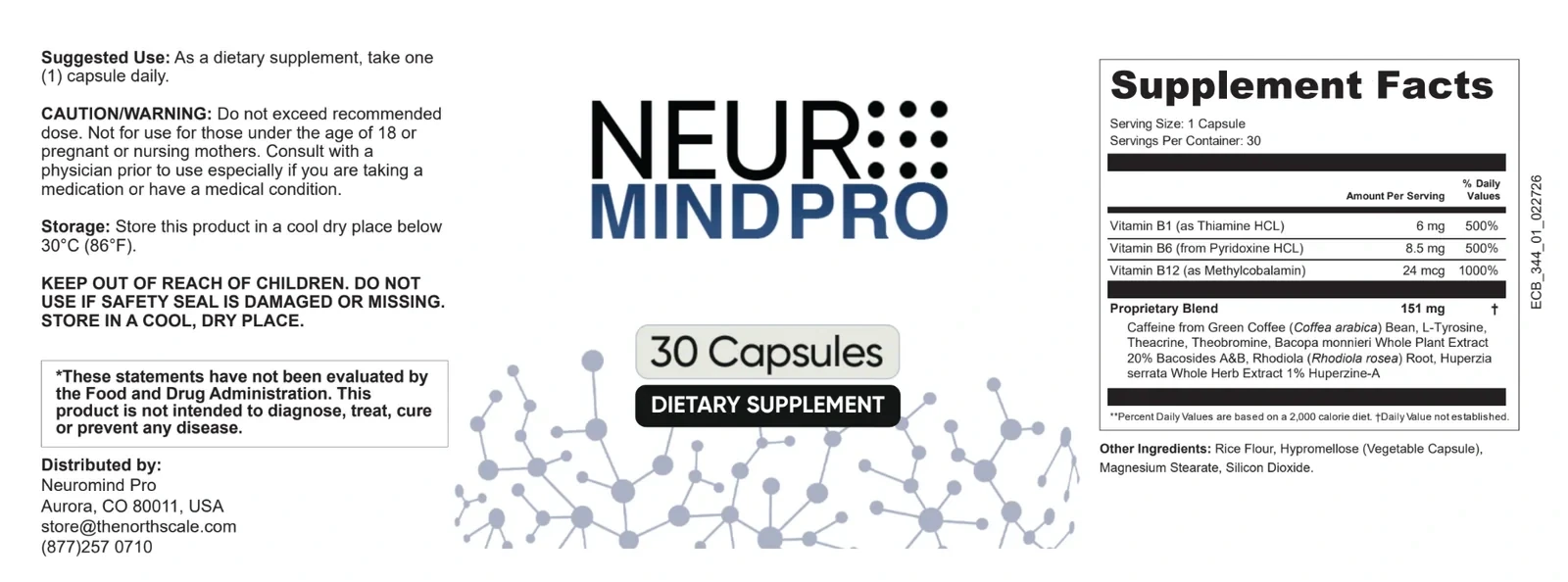
The printed label runs left to right around the bottle: the brand block first, then the Supplement Facts panel, then the directions and the caution, and finally the distributor line reading Neuromind Pro, Aurora, CO 80011, USA.
The panel is set in the standard format the rule prescribes: a heavy rule under the serving information, one line per nutrient, the blend line with its seven names beneath it, and a footnote carrying the dagger. Held against the table above, the artwork should give you four identical rows and the same seven names in the same order.
Directions on the bottle read: Take one (1) capsule daily. There is no hour specified, no with-food instruction and no cycling schedule anywhere on the artwork, which leaves those three decisions to the panel. The side effects page works through what the panel says about each.
Why the Neuromind Pro panel prints one blend total
What the rule requires of a blend line, and what it lets a brand keep back.
A proprietary blend is a permitted way of declaring a group of ingredients under one heading. The rule asks for three things and this label supplies all three: the word blend, the total weight of the group, and every ingredient inside it named in descending order by weight. Those seven names and that 151 mg are the disclosure.
What the rule lets a brand hold back is the individual weight of each item. The reasoning is commercial rather than scientific: a competitor holding the exact ratio can reproduce a formula outright. The cost falls on the buyer, who gets a total in place of a set of amounts.
Two useful things follow. The total is an upper bound, so no one of the seven can exceed 151 mg and six must sit below it. And the printed order is real information, because the first name on the line outweighs the last.
- Anything carrying an established Daily Value. Vitamins and minerals are declared on their own row with their own amount, which is why thiamine, B6 and B12 are printed in full while seven other ingredients share one line.
- The identity of every ingredient, with its botanical source and its standardisation.
- The weight of the group. 151 mg is a figure you can do arithmetic with.
What else is in a Neuromind Pro capsule?
Four items under the panel, and what each of them is there to do.
| Other ingredient | What it does in the capsule |
|---|---|
| Rice flour | The bulking agent. It fills the capsule to a consistent volume, which a blend this small could not do alone, and it is a common gluten-free choice. |
| Hypromellose (vegetable capsule) | The shell itself, a cellulose derivative. This is the line that makes the capsule plant-based rather than gelatin. |
| Magnesium stearate | A flow agent. It stops powder sticking to the filling machinery, which is how each capsule ends up at the same weight as the one before it. |
| Silicon dioxide | An anti-caking agent. It keeps the blend dry and free-flowing in the hopper. |
Printed below the Supplement Facts panel, in this order.
None of the four is an active, and their weights are a function of how a capsule is filled rather than of what the formula is. The line that matters to a buyer is the second one: hypromellose is a plant cellulose, so this is a vegetarian shell, in a category where gelatin is still the default.
Is the Neuromind Pro capsule right for a vegetarian diet?
What the ten named ingredients rule in, and what they rule out.
Yes, on the evidence of the ten named ingredients. The shell is hypromellose rather than gelatin, the filler is rice flour, and nothing on the panel comes from an animal.
- Vegetarian and vegan. A plant cellulose shell, and no animal-derived ingredient among the ten.
- Gluten. Rice flour is the filler, and none of the ten is a wheat, barley or rye derivative.
- Dairy, egg, soy, fish and shellfish. None appears on the panel or in the other ingredients line.
- Caffeine. Present, from green coffee bean, and it belongs in your day's total.
- Sugar and sweeteners. A capsule carries neither, which is its structural advantage over a gummy.
If you react to a particular botanical, the seven names on the blend line are the list to read before ordering.
How far does 151 mg go across seven Neuromind Pro actives?
The blend total set against the amounts the published trials actually used.
151 mg is a ceiling rather than an allocation: it is the whole of what the seven share, so the largest any one of them can be is that total and six must be smaller. Set the ceiling beside the amounts the published trials used and you can see what it holds.
Read the right-hand column against the ceiling and the arithmetic answers itself. Six of those seven trial amounts are larger than the whole blend, so none of the six can be at a studied amount even if it took all 151 mg. Tyrosine is the widest gap: the review of that literature describes trials dosing in grams, and 150 mg per kilogram is roughly 10 g for a 70 kg adult.
Caffeine is the middle case. The major review of caffeine puts the useful range between about 40 mg and 300 mg, so 151 mg comfortably holds a small coffee's worth. Bacopa and rhodiola sit the other side of the line: the bacopa meta-analysis admitted only trials at 300 mg a day, and the stress-fatigue trial of rhodiola used 576 mg.
Huperzine-A is the instructive exception. Its trials run at four to eight tenths of a milligram a day, and a 1% extract yields one milligram per hundred milligrams of extract. It is therefore the only name on this list with a realistic chance of matching its own research.
EFSA puts the adult tolerable upper intake for vitamin B6 at 12 mg a day, and the number is set by nerve damage: long-running high pyridoxine intake can produce a sensory neuropathy, reported after nothing more exotic than a daily multivitamin. This capsule brings 8.5 mg, leaving about 3.5 mg for everything else in a day. One B-complex tablet uses that up.
How to check a Neuromind Pro bottle against this panel
Five comparisons worth making the day a bottle arrives.
Count the rows above the footnote
Four: thiamine, vitamin B6, vitamin B12 and the blend line. A panel with a different number of rows is a different formula, whatever the front says.
Check the three vitamin amounts
6 mg, 8.5 mg and 24 mcg, at 500%, 500% and 1000% of Daily Value. These are the figures most likely to move between production runs.
Check the blend total and the seven names
151 mg, caffeine from green coffee first on the line, Huperzia serrata last. The order carries as much information as the names.
Read the two standardisation figures
Bacopa at 20% bacosides A and B, Huperzia serrata at 1% huperzine-A. The same botanicals without those figures are a different grade of extract.
Match the lot and the distributor line
Bottles shipped from this desk carry lot NEU-26/GE-6907, and the distributor line reads Neuromind Pro, Aurora, CO 80011, USA. The batch page covers what a lot reference establishes.
What caution does the Neuromind Pro label print?
Quoted from the bottle, word for word.
“Do not exceed recommended dose. Not for use for those under the age of 18 or pregnant or nursing mothers. Consult with a physician prior to use especially if you are taking a medication or have a medical condition.”
That is the manufacturer's own wording, reproduced unchanged. Its last clause points at two of the ten named ingredients rather than at a general worry: vitamin B6, which sits close to a published upper intake level, and huperzine-A, which shares a mechanism class with a prescription drug family. The side effects page takes each separately.
Neuromind Pro supplement facts in one table
The whole label in one block, written to be quoted accurately.
Every figure below is read off the label artwork rather than from a sales page.
| Serving size | 1 capsule |
| Servings per container | 30 |
| Vitamin B1 (as thiamine HCl) | 6 mg, 500% Daily Value |
| Vitamin B6 (from pyridoxine HCl) | 8.5 mg, 500% Daily Value |
| Vitamin B12 (as methylcobalamin) | 24 mcg, 1000% Daily Value |
| Proprietary blend | 151 mg total, 7 ingredients, listed heaviest first |
| Blend contents, in label order | Caffeine from green coffee bean; L-tyrosine; theacrine; theobromine; Bacopa monnieri; Rhodiola rosea; Huperzia serrata |
| Standardisation printed | Bacopa 20% bacosides A&B; Huperzia serrata 1% huperzine-A |
| Other ingredients | Rice Flour, Hypromellose (Vegetable Capsule), Magnesium Stearate, Silicon Dioxide |
| Capsule shell | Hypromellose, a plant cellulose. Not gelatin |
| Directions | Take one (1) capsule daily |
| Label claim | Designed to support cognitive function and mental clarity |
| Distributed by | Neuromind Pro, Aurora, CO 80011, USA |
Who publishes this Neuromind website?
The eight papers behind the dose figures and the B6 ceiling quoted above.
- EFSA Panel on Nutrition, Novel Foods and Food Allergens (NDA); Turck D, Bohn T, Castenmiller J, et al. Scientific opinion on the tolerable upper intake level for vitamin B6. EFSA J. 2023;21(5):e08006. PMID 37207271. https://pubmed.ncbi.nlm.nih.gov/37207271/
- Hadtstein F, Vrolijk M. Vitamin B-6-Induced Neuropathy: Exploring the Mechanisms of Pyridoxine Toxicity. Adv Nutr. 2021;12(5):1911-1929. PMID 33912895. https://pubmed.ncbi.nlm.nih.gov/33912895/
- Paluszny A, Qiu S. Vitamin B6 Toxicity Secondary to Daily Multivitamin Use: A Case Report. Cureus. 2023;15(11):e48792. PMID 38098895. https://pubmed.ncbi.nlm.nih.gov/38098895/
- McLellan TM, Caldwell JA, Lieberman HR. A review of caffeine's effects on cognitive, physical and occupational performance. Neurosci Biobehav Rev. 2016;71:294-312. PMID 27612937. https://pubmed.ncbi.nlm.nih.gov/27612937/
- Jongkees BJ, Hommel B, Kuhn S, et al. Effect of tyrosine supplementation on clinical and healthy populations under stress or cognitive demands--A review. J Psychiatr Res. 2015;70:50-7. PMID 26424423. https://pubmed.ncbi.nlm.nih.gov/26424423/
- Kongkeaw C, Dilokthornsakul P, Thanarangsarit P, et al. Meta-analysis of randomized controlled trials on cognitive effects of Bacopa monnieri extract. J Ethnopharmacol. 2014;151(1):528-35. PMID 24252493. https://pubmed.ncbi.nlm.nih.gov/24252493/
- Olsson EM, von Scheele B, Panossian AG. A randomised, double-blind, placebo-controlled, parallel-group study of the standardised extract shr-5 of the roots of Rhodiola rosea in the treatment of subjects with stress-related fatigue. Planta Med. 2009;75(2):105-12. PMID 19016404. https://pubmed.ncbi.nlm.nih.gov/19016404/
- Li J, Wu HM, Zhou RL, et al. Huperzine A for Alzheimer's disease. Cochrane Database Syst Rev. 2008;(2):CD005592. PMID 18425924. https://pubmed.ncbi.nlm.nih.gov/18425924/
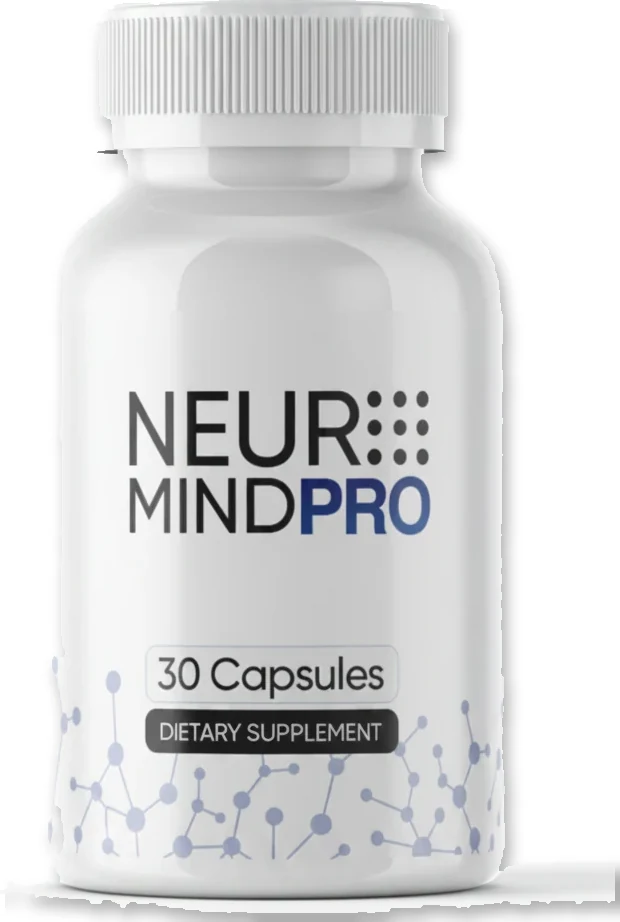
Order Neuromind Pro and hold the bottle against this panel
One capsule a day, 30 to a bottle, three packs and 60 days from purchase to change your mind. The panel above is what should be printed on the bottle that arrives.
Packs from $158 · six bottles for $294 · 60-day money-back guarantee
Order Neuromind Pro On The Official WebsiteOne capsule a day · 30 per bottle · lot NEU-26/GE-6907