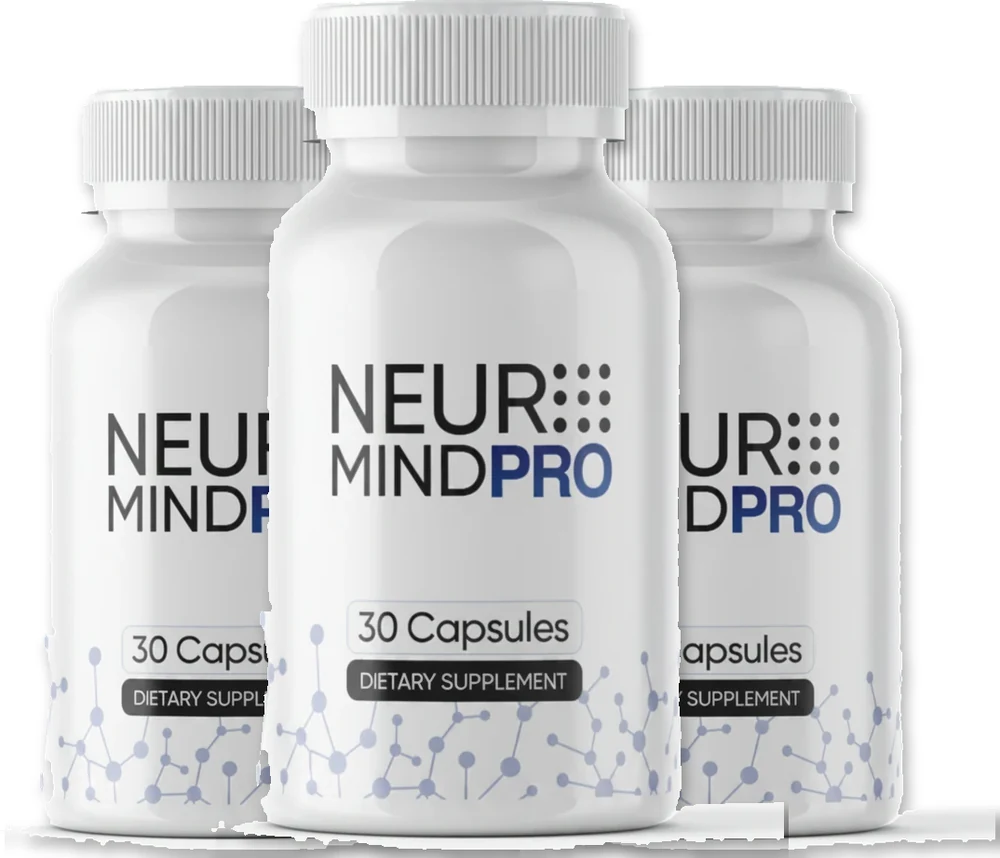
Neuromind Pro Official Website › Who it's for
Who it's forWho Is Neuromind Pro For, and Who Should Skip It
Neuromind Pro is for healthy adults over 18 who tolerate caffeine and want one capsule a day.
It is a poor fit if you are stimulant-sensitive, pregnant or nursing, under 18, or taking a cholinesterase inhibitor such as donepezil, because huperzine-A acts on the same enzyme.
See the side effects page.
Six kinds of buyer it suits, seven it does not, and the one interaction that settles the question outright.
Who does Neuromind Pro fit?
Six kinds of buyer this formula genuinely suits.
Adults who want one capsule rather than a shelf
Ten named substances arrive in a single morning capsule with no stack to assemble, no second dose and no timing rules beyond the ones this desk suggests.
People who already tolerate caffeine
Three stimulant compounds sit on this panel. If a morning coffee is an ordinary part of your day rather than an event, the capsule lands in familiar territory.
Anyone prepared to judge it over two months
Bacopa's trials do not measure before twelve weeks and rhodiola's report in weeks. Somebody willing to run 4–8 weeks gets a real answer; somebody deciding on Friday is describing the caffeine.
People with a plausible B vitamin shortfall
Over fifty, on a vegan or near-vegan diet, or taking long-term metformin or an acid-suppressing medicine. Those are the groups in whom the B12 evidence has something to work with, and three rows of this panel are aimed at them.
Buyers who want to see the numbers
Three amounts printed in full at 500%, 500% and 1000% of Daily Value, and a blend line carrying a real total. The ingredients page works through all of it.
People who would rather buy once than subscribe
Each pack is a one-time payment with no rolling charge to cancel later, and the 60-day guarantee attaches to the purchase rather than to a membership.
Who should leave Neuromind Pro alone?
Seven groups, each named for a specific reason rather than a general one.
- Under 18s, and anyone pregnant or nursing. The bottle rules all of them out and this desk repeats it without qualification.
- Anyone taking a prescribed cholinesterase inhibitor such as donepezil, rivastigmine or galantamine, or an anticholinergic medicine. The next section explains why in full.
- Anyone who reacts badly to caffeine. Three stimulant compounds share this capsule and the amount of each is set by the formulator rather than printed.
- Anyone managing blood pressure or taking a stimulant medication, until the interaction section below has been read properly.
- Anyone already taking a B-complex or a heavily fortified product, until the day's vitamin B6 has been added up.
- Anyone expecting a week to be informative. The slow half of this formula cannot be assessed that fast and no purchase decision made in week one is about the formula.
- Anyone looking for treatment of a diagnosed memory condition. That is not what a dietary supplement is, and no ingredient on this panel is approved for it.
Neuromind Pro and cholinesterase inhibitors
One ingredient here works through the same enzyme as a prescription drug class.
Huperzia serrata is on the panel as a whole herb extract standardised to 1% huperzine-A. Huperzine-A is a reversible acetylcholinesterase inhibitor: it slows the enzyme that clears acetylcholine out of a synapse, so the transmitter stays in play longer. That is the identical mechanism class to donepezil, rivastigmine and galantamine, the prescription drugs used in Alzheimer's disease.
Two consequences follow and they pull in opposite directions. The compound is genuinely active in micrograms, which is why its trial range of 0.4 to 0.8 mg a day is the only one on this panel fitting comfortably inside a 151 mg blend. And the amount in this capsule is set by the formulator inside that blend, so you cannot add it to anything else you take and reach a total.
If you already take a cholinesterase inhibitor, adding a second compound from the same class is the conversation to have with your prescriber before the first capsule rather than after the first bottle. The same applies to anticholinergic medicines, which work the opposite way and can have their effect blunted, and to medicines that slow the heart.
The caution above is built from the mechanism, which is well described, rather than from a documented interaction report, because no clean report of the latter could be found. On efficacy, the Cochrane review judged the evidence inadequate for a recommendation, and the best-conducted Western trial gave 200 mcg twice daily for sixteen weeks without moving its primary cognitive outcome. Active, then, and unproven, which is an unusual combination and the reason this section exists.
What else on the Neuromind panel interacts?
Four specific overlaps, each named with the ingredient that causes it.
Caffeine and blood pressure
A dose-response meta-analysis found supplemental caffeine raising blood pressure in proportion to the amount taken. If you are managing yours, or taking a stimulant medication, count this capsule as part of the day's stimulant total rather than as something separate from it.
Vitamin B6 and the 12 mg ceiling
8.5 mg a capsule against EFSA's 12 mg adult tolerable upper intake. One capsule on its own is comfortable. A B-complex, a fortified drink and this capsule in the same day can pass 12 mg without anyone deciding to, and vitamin B6 toxicity has been reported from ordinary multivitamin use.
Three stimulants in one capsule
Caffeine, theacrine and theobromine. Theobromine raised heart rate in its own dose-ranging study while producing worse mood at the top of the range. None of the three amounts is split out of the blend, which is exactly why a stimulant-sensitive buyer should choose something else.
Bacopa and the stomach
The most frequently recorded effect in bacopa's trials, and the easiest to avoid: take the capsule with a meal. If complaints persist past the second week with food, the side effects page covers what to do next.
Is Neuromind Pro right if caffeine already disagrees with you?
A case where the answer is no, and where something else is the better buy.
No, and there is no way to make it right. The caffeine is inside the blend, so there is no half-dose to take and no way to separate the stimulant quarter from the rest of the capsule.
If jitteriness, a racing pulse or disturbed sleep are your usual response to a second coffee, the honest recommendation is a single-ingredient bacopa or rhodiola capsule instead, where the amount is printed and no stimulant is involved. That costs less and answers the question you are actually asking.
Caffeine-naive is a different position from caffeine-sensitive. Start on a day when you are not driving or presenting, keep the rest of the morning ordinary, and see how it lands. Most people find the capsule mild, which is what a shared blend total would predict.
Who does the Neuromind Pro label rule out?
What the bottle itself rules out, quoted rather than paraphrased.
The bottle carries its own restrictions and they are not negotiable by this desk or by anybody else.
“Do not exceed recommended dose. Not for use for those under the age of 18 or pregnant or nursing mothers. Consult with a physician prior to use especially if you are taking a medication or have a medical condition.”
Three groups come out of that directly. Under 18, because the formula is built for adults and the stimulant content is the reason. Pregnancy and nursing, where the standard advice on caffeine alone would settle it before the botanicals were reached. And anyone under care for a condition or taking a medication, for whom the specific overlaps are the two sections above rather than a general warning.
Does Neuromind Pro suit a vegetarian or vegan routine?
The shell, the filler, and one vitamin row that earns its place here.
The capsule shell is hypromellose, a cellulose from plants rather than gelatin from animals, and the filler is rice flour. Magnesium stearate and silicon dioxide complete the list. Nothing on the ingredient statement is animal-derived.
There is a second reason this panel suits a plant-based routine, and it is the vitamin B12 row. B12 is the nutrient a vegan diet most reliably runs short of, since the dietary sources are almost entirely animal. This is one of the few places where a vitamin row on a focus formula does something a blood test would confirm.
 Vegetarian friendlyConsistent with the hypromellose shell and rice flour filler on the ingredient statement.
 Gluten freeA maker's claim rather than a laboratory certificate. Rice flour is the filler, which is consistent with it.
 Dairy freeNo dairy-derived name appears on the ingredient statement.
 Non-GMOA supplier claim with no certifying body named. Testing and quality audits each badge.
Who gets the most from the Neuromind B vitamins?
Three rows whose value depends entirely on where you started.
Three rows of this panel behave completely differently depending on who takes them, so it is worth being specific about who benefits.
Vitamin B12 absorption falls with age and is reduced by long-running metformin and acid-suppressing medicines, and a vegan diet removes most of the dietary sources. In those groups a shortfall is common enough to test for, and correcting it improves cognition in a properly documented way. Thiamine follows the same shape: a 2025 systematic review found lower thiamine tracking with worse attention and memory in alcohol use disorder.
For everybody else the honest expectation is nothing. A meta-analysis of 6,276 participants found no effect on any cognitive subdomain in people who were not deficient. That is an argument for knowing which group you are in, not against the rows being there.
Is Neuromind Pro a fit for students, shift workers or older adults?
Three situations people ask about, answered one at a time.
Students
The stimulant quarter is what would help on the day, and caffeine alone does that more cheaply. The argument for this formula is the twelve-week half, which means buying in October for an exam in January.
Shift workers
Caffeine's measured effects are largest in sleep-deprived people, so the fit is real. The catch is that a capsule taken at the start of a night shift is taken twelve hours before you need to sleep.
Adults over fifty
The best case for this panel, mostly on the vitamin rows. B12 absorption declines with age, and the botanical trials with the clearest results ran in older participants rather than students.
None of the three is an endorsement of a group. The deciding factor is the same in each case: whether you are buying the same-day quarter or the slow three-quarters. How it works separates them.
How to decide whether Neuromind Pro is for you
Five checks, in the order that saves the most time.
Check the two hard stops first
Under 18, pregnant or nursing, and taking a cholinesterase inhibitor or an anticholinergic. If any of those applies, the decision is already made and nothing further on this page changes it.
Add up your day's caffeine and your day's vitamin B6
Two pieces of arithmetic, five minutes, done once. If your caffeine is already near 400 mg or your B6 from other products near 12 mg, this capsule joins a total that was already close to an edge.
Decide which half you are buying
A same-day lift is the stimulant quarter, and plain caffeine delivers that for a fraction of the price. The reason to buy this formula instead is the slow half.
Match the pack to the timeline, not to the discount
Two bottles is sixty days and exactly the guarantee. Three is ninety and covers the twelve weeks bacopa's trials needed. Pricing sets the per-day cost against each.
Start the clock on the day it arrives
The 60 days run from purchase rather than from your first capsule. A bottle waiting three weeks in a drawer spends a third of the window doing nothing.
Where Neuromind Pro is simply the wrong tool
Four reasons to buy something else, and four reasons this is the right shelf.
Buy something else if you want
- A known amount of one botanical. A single-ingredient bacopa or rhodiola capsule prints its milligrams and costs far less than this does.
- A same-day effect only. Caffeine with L-theanine is cheaper, more predictable and better studied for exactly that job.
- Treatment for a diagnosed condition. No dietary supplement is that, and the review of 103 memory supplements sold in U.S. pharmacies is the fair summary of how thin the category's evidence is.
- Certainty about what you swallowed. Seven names sharing one total will never give you that, whatever the total happens to be.
This formula is the better fit if
- You want breadth in one capsule and accept that the split between the seven is the formulator's to set.
- You already tolerate caffeine and would rather not assemble a stack from four bottles.
- You are in one of the groups where the B vitamin rows are likely to be doing something real.
- You are willing to run it for two months and judge it against a baseline you wrote down before starting.
Neuromind Pro suitability questions
Can I take Neuromind with my medication?
That depends on the medication, and one overlap matters more than the rest: huperzine-A is a reversible acetylcholinesterase inhibitor, the same mechanism class as donepezil. If you take one of those, an anticholinergic, or a medicine that slows the heart, raise it with your prescriber before the first capsule.
Is Neuromind suitable over 60?
It is one of the better-fitting groups, largely because B12 absorption falls with age and because the clearest botanical trials ran in older participants. The interaction checks above matter more in this group, not less.
Can teenagers take Neuromind?
No. The label restricts it to adults 18 and over, and the stimulant content is the reason.
Is Neuromind safe with high blood pressure?
Supplemental caffeine raises blood pressure in proportion to the dose, and this capsule carries an amount set inside the blend. If you are managing blood pressure, that is a specific point to take to whoever manages it with you rather than a general caution.
Can I take Neuromind with a multivitamin?
Add the vitamin B6 up first. This capsule contributes 8.5 mg against a 12 mg adult upper intake, so a B-complex on top of it uses the rest of the day's headroom quickly.
Sources for the Neuromind Pro interaction notes
The mechanism and dose papers behind every caution above.
- Teixeira J, Pereira I, Castanho M, et al. What is the impact of thiamine deficiency on cognitive function in patients with alcohol use disorder? - A systematic review. Eur J Intern Med. 2025;134:59-65. PMID 39818490. https://pubmed.ncbi.nlm.nih.gov/39818490/
- EFSA Panel on Nutrition, Novel Foods and Food Allergens (NDA); Turck D, Bohn T, Castenmiller J, et al. Scientific opinion on the tolerable upper intake level for vitamin B6. EFSA J. 2023;21(5):e08006. PMID 37207271. https://pubmed.ncbi.nlm.nih.gov/37207271/
- Paluszny A, Qiu S. Vitamin B6 Toxicity Secondary to Daily Multivitamin Use: A Case Report. Cureus. 2023;15(11):e48792. PMID 38098895. https://pubmed.ncbi.nlm.nih.gov/38098895/
- Markun S, Gravestock I, Jager L, et al. Effects of Vitamin B12 Supplementation on Cognitive Function, Depressive Symptoms, and Fatigue: A Systematic Review, Meta-Analysis, and Meta-Regression. Nutrients. 2021;13(3). PMID 33809274. https://pubmed.ncbi.nlm.nih.gov/33809274/
- Abbas-Hashemi SA, Hosseininasab D, Rastgoo S, et al. The effects of caffeine supplementation on blood pressure in adults: A systematic review and dose-response meta-analysis. Clin Nutr ESPEN. 2023;58:165-177. PMID 38057002. https://pubmed.ncbi.nlm.nih.gov/38057002/
- Baggott MJ, Childs E, Hart AB, et al. Psychopharmacology of theobromine in healthy volunteers. Psychopharmacology (Berl). 2013;228(1):109-18. PMID 23420115. https://pubmed.ncbi.nlm.nih.gov/23420115/
- Li J, Wu HM, Zhou RL, et al. Huperzine A for Alzheimer's disease. Cochrane Database Syst Rev. 2008;(2):CD005592. PMID 18425924. https://pubmed.ncbi.nlm.nih.gov/18425924/
- Rafii MS, Walsh S, Little JT, et al. A phase II trial of huperzine A in mild to moderate Alzheimer disease. Neurology. 2011;76(16):1389-94. PMID 21502597. https://pubmed.ncbi.nlm.nih.gov/21502597/
- Hersant H, He S, Maliha P, et al. Over the Counter Supplements for Memory: A Review of Available Evidence. CNS Drugs. 2023;37(9):797-817. PMID 37603263. https://pubmed.ncbi.nlm.nih.gov/37603263/
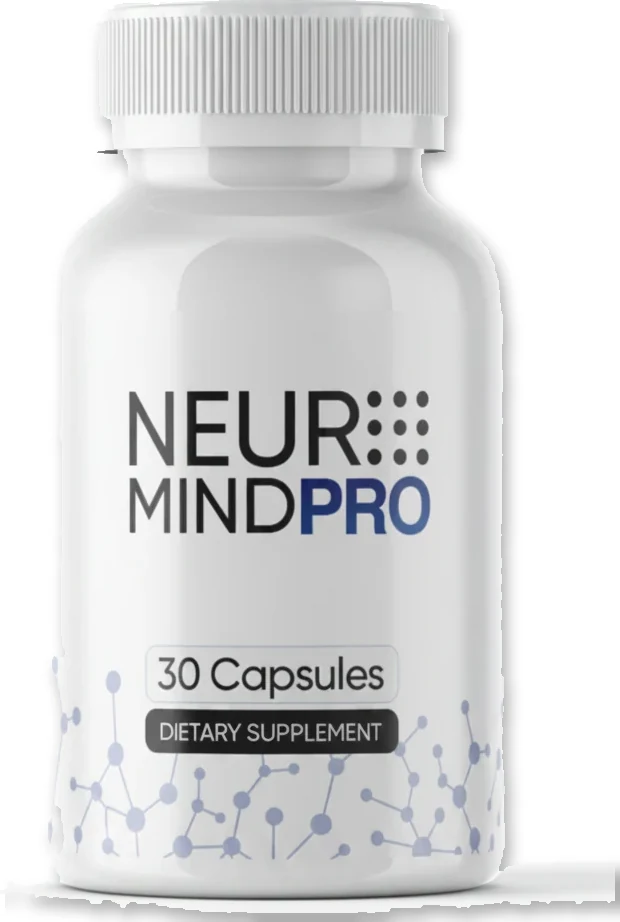
Order Neuromind Pro if the fit is right
One capsule a day for healthy adults 18 and over, 30 to a bottle, with 60 days from purchase to change your mind.
Packs from $158 · six bottles for $294 · 60-day money-back guarantee
Order Neuromind Pro On The Official WebsiteOne capsule a day · 30 per bottle · lot NEU-26/GE-6907