Neuromind Pro Official Website › Nootropic Ingredient Guide
Nootropic Ingredient GuideA Nootropic Ingredient Guide
Most nootropic ingredients have been tested, and the findings are narrower than the labels around them suggest. Caffeine is the dependable one. B vitamins repair a shortfall and do little for anyone who has none. Bacopa needs twelve weeks. Huperzine-A is an enzyme inhibitor rather than a nutrient and belongs in a different conversation.
A category guide. No product is being argued for here, and the dose column is the part worth keeping.
What the word nootropic actually covers
Three groups hiding under one word, and why the question changes with each.
The word was coined for compounds thought to improve learning while being unusually safe. In a shop it means anything sold with the suggestion that thinking will get easier, and under that umbrella sit three groups that behave nothing like each other.
Stimulants act within an hour and you can feel them. Nutrients act only if you were short of them, and the effect is repair rather than enhancement. Botanicals act over weeks, and their trials are correspondingly long and few.
Sorting each row into one of the three makes a label readable, because the question changes with the group. For a stimulant, how much. For a nutrient, were you short. For a botanical, how long and at what amount of which extract. A fourth group, almost never flagged on a label, is pharmacologically active in the way a medicine is, and it gets a section of its own below.
What happens when the marketing is tested against the science
Two reviews that looked at the whole aisle, and what they concluded.
The place to start is with the reviews that looked at the category as a whole rather than at one ingredient. They are not flattering.
A systematic review of supplement ingredients for cognitive performance in healthy adults set the marketing beside the trials behind it and found the evidence inconsistent, imprecise and often methodologically flawed. A second went through 103 memory supplements sold in United States pharmacies and reached a similar verdict, and NCCIH says much the same in plainer words.
Three things follow, and they shape the rest of this guide. Effect sizes here are small when they exist at all. Trials are often short, small and funded by an ingredient's own maker. And the dose behind a published result is frequently far larger than the dose in a capsule sold on the strength of it.
The useful question is therefore never whether an ingredient has research behind it, because most of them do. It is what that research measured, in whom, for how long, and at what amount.
B vitamins: decisive for a shortfall, quiet for everyone else
A real mechanism, and a result that depends entirely on where you started.
Thiamine, vitamin B6 and vitamin B12 turn up on most focus labels at several hundred per cent of Daily Value, and the mechanism is real: all three are cofactors in the enzymes that build neurotransmitters. The trials show it only becomes a result if you were running short.
For thiamine, almost the whole cognitive literature runs through deficiency. A 2025 systematic review in alcohol use disorder found lower thiamine tracking with worse attention and memory, and supplementing helped there. In Alzheimer's disease, Cochrane found the evidence insufficient.
For vitamin B12 the pattern is sharper. A meta-analysis of 6,276 participants found no effect on any cognitive subdomain in people who were not deficient, and a separate meta-analysis in community-dwelling older adults found none either. Deficiency is itself treatable, which is why testing beats supplementing blind: it is more common over fifty, on a vegan diet, and on long-term metformin.
Taken as a group, a 2025 meta-analysis put the benefit on global cognition in older adults at very small, and an earlier review of cognitive decline and dementia found no convincing preventive effect. B6 has its own Cochrane review, which found no benefit without deficiency.
B6 is also the one row on a panel of this kind with a ceiling worth knowing. EFSA set the adult tolerable upper intake at 12 mg a day, and the effect deciding that limit is a sensory neuropathy, with a well-described mechanism, reported from ordinary daily multivitamin use. A single product is rarely the problem; a product plus a B-complex plus a fortified drink can be.
Caffeine, theacrine and theobromine are not interchangeable
One dependable compound, one thin file, and one that underperforms alone.
All three are methylxanthines or close relatives and all three appear on focus labels. The resemblance ends there: their evidence bases differ by an order of magnitude, and so do their useful doses.
Caffeine, the one ingredient in this category that reliably works
Caffeine blocks adenosine receptors and improves alertness, vigilance and reaction time more consistently than anything else in this aisle. The major review of its effects puts the useful range between roughly 40 mg and 300 mg, with effects on alertness strongest above about 200 mg, and it does the most when you are short of sleep, as a meta-analysis of caffeine after sleep loss shows. Up to 400 mg a day is generally regarded as without adverse effect in healthy adults per a systematic review, and it raises blood pressure in a dose-related way.
Theacrine, a close relative with a much thinner file
A purine alkaloid close to caffeine in structure, studied at 125 to 400 mg a day. One trial in young men and women found more self-reported energy and less lethargy than on caffeine or placebo, and a two-part dosing study covered the haemodynamic side. Eight weeks at 200 to 300 mg a day showed no adverse change in heart rate, blood pressure or clinical markers and, contrary to the claim repeated about it, no habituation. Much of the human work sits around one branded ingredient, and caffeine raises theacrine blood levels rather than the reverse.
Theobromine, the weakest of the three on its own
The main methylxanthine in cocoa. The largest human study gave 250, 500 and 1,000 mg and found limited subjective effects at 250 mg and worse mood higher up alongside a rise in heart rate. A head-to-head found 560 mg of theobromine failed to match 178 mg of caffeine, and the chocolate work suggests it contributes beside caffeine at cocoa-like amounts rather than alone. Doses that did anything were in hundreds of milligrams.
L-tyrosine works in one situation and not in general
A genuine mechanism, a narrow window, and doses measured in grams.
Tyrosine is the amino acid the body converts into dopamine and noradrenaline, which makes the sales pitch obvious and the evidence narrower than the pitch.
The review of this literature concludes that it helps when those transmitters are being depleted by acute stress, cold or sleep loss, and that it is not a general enhancer of thinking in rested, unstressed people. That is a real finding, and it is a much smaller claim than the one on most labels.
The trials that found something matched the situation. Cadets on a combat training course improved on 2 g a day, and working memory held up better during cold exposure at 150 mg per kilogram, around 10 g for a 70 kg adult. A United States military assessment weighed the set and could only make a weak recommendation. A randomised study found the effect on working memory and inhibitory control depended on the participant's dopamine receptor genotype, one reason individual reports disagree so violently.
The practical consequence is arithmetic. Published tyrosine doses are in grams, so a capsule listing tyrosine among several ingredients sharing a few hundred milligrams is not delivering a researched amount of it.
Bacopa and rhodiola run on a slower clock
Twelve weeks for one, several hundred milligrams a day for both.
Botanicals are where this category's timing problem lives. Neither reports on day one, and a label implying otherwise is describing the caffeine beside them.
Bacopa monnieri has the best evidence of any botanical here, and its defining feature is duration. The meta-analysis admitted only studies of twelve weeks or longer, and what improved was speed of attention rather than memory. The anchoring trials used 300 mg a day of standardised extract for twelve weeks, and a second twelve-week trial in older adults is in the same range. It is not uniform: a 2025 trial in 101 healthy adults found no benefit over placebo. The recurring adverse effect is stomach upset, which is why it is usually taken with food.
Rhodiola rosea is studied for fatigue and perceived exertion rather than memory. A systematic review of eleven placebo-controlled trials found possible benefits and named the weakness plainly: almost no independent replication. The doses are large, 576 mg a day of standardised extract in the stress-related fatigue trial and 400 mg a day in an open-label burnout study. NCCIH's own page summarises where that leaves it.
For both, the figure to look for is not only the milligrams but the standardisation: an extract with no marker compound named cannot be set beside a trial that used one.
Huperzine-A is not in the same category as the rest
The one ingredient here that behaves like a drug rather than a nutrient.
Every other ingredient on this page is a nutrient, a stimulant or a plant extract with a diffuse mechanism. Huperzine-A is a reversible acetylcholinesterase inhibitor: it blocks the enzyme that clears acetylcholine from the synapse, the mechanism class prescription dementia drugs such as donepezil belong to.
It is also active in microgram amounts. Trials use 0.2 to 0.4 mg twice a day, a fraction of a single milligram, and the pharmacokinetic work describes how it behaves there. That has an odd consequence for labels: it is the one ingredient here whose researched dose fits inside almost any blend, which makes it the hardest to rule out and the hardest to quantify.
The efficacy evidence is weaker than its reputation. The best-conducted Western trial found 0.2 mg twice daily did not change the primary cognitive outcome at 16 weeks, Cochrane judged the evidence inadequate for a recommendation, and a later meta-analysis flagged high risk of bias across most trials.
The practical advice is short. If you take a prescribed cholinesterase inhibitor or an anticholinergic medicine, huperzine-A works on the same enzyme system, and that is worth raising with your prescriber first. A label naming huperzine-A without a figure is asking you to take an unknown amount of a pharmacologically active compound.
The dose table to carry to any label
Ten ingredients, the dose behind each result, and how long it took.
| Ingredient | Group | Dose the trials used | What was measured | How long |
|---|---|---|---|---|
| Caffeine | Stimulant | About 40–300 mg; alertness strongest above ~200 mg | Alertness, vigilance, reaction time | Same day |
| Theacrine | Stimulant | 125–400 mg a day | Self-reported energy and lethargy | Same day |
| Theobromine | Stimulant | 250–1,000 mg a dose | Limited at the low end; worse mood higher up | Same day |
| L-Tyrosine | Precursor | 2 g a day, or 150 mg/kg in one dose | Working memory under stress, cold or sleep loss | Hours, in that situation only |
| Bacopa monnieri | Botanical | 300 mg a day of standardised extract | Speed of attention | 12 weeks minimum |
| Rhodiola rosea | Botanical | 400–576 mg a day of standardised extract | Fatigue, perceived exertion | Weeks |
| Huperzine-A | Enzyme inhibitor | 0.4–0.8 mg a day | No change in the primary outcome in the best Western trial | Weeks |
| Vitamin B1 | Nutrient | Deficiency correction | Attention and memory, where a shortfall existed | Varies |
| Vitamin B6 | Nutrient | Upper intake 12 mg a day (EFSA) | No benefit without deficiency | — |
| Vitamin B12 | Nutrient | Deficiency correction | No effect on any subdomain without deficiency | Varies |
Every figure here comes from a paper cited above. The third column is the one that matters: set it beside the amount printed on whatever bottle you are holding.
That comparison is usually decisive, and usually in one direction. Botanical and amino acid doses here run to hundreds of milligrams or to grams, and a capsule holding six or seven ingredients rarely has room for one of them at those amounts. Huperzine-A is the systematic exception, so where a long ingredient list sits under one modest total, the ingredient most likely to be there at a researched amount is the one with a pharmacological mechanism and the smallest number beside it.
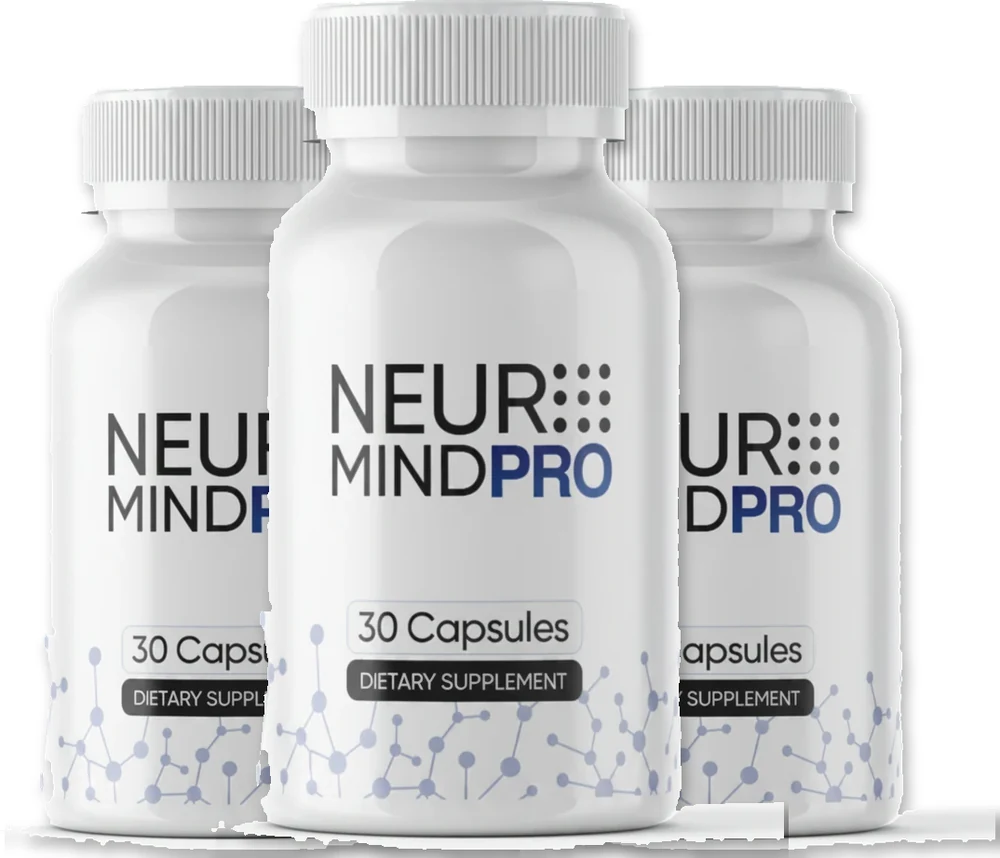
This desk sells Neuromind Pro, and a reader is owed that before weighing anything above. The checklist guide applies the same standard to it and prints the two checks it fails; its printed panel and ingredient list are published here in full.
Four things this category claims that the evidence will not carry
Four sentences that recur across this aisle, and what each one is worth.
“Clinically proven formula”
Almost always a claim about ingredients rather than the finished product. A trial of 300 mg of bacopa extract says nothing about a capsule holding an unstated fraction of it beside six other things.
“Builds tolerance more slowly than caffeine”
Usually said about theacrine, and the evidence points the other way: eight weeks of use showed no habituation, and caffeine raises theacrine exposure rather than blunting it.
“Natural caffeine from green coffee”
A statement about a source, not an amount. Green coffee bean carries less caffeine than roasted coffee, and no clean figure converts an extract weight into milligrams of caffeine. Treat it as unknown until a number appears.
“Methylcobalamin is the superior form of B12”
Widely repeated and hard to support. The trials on B12 and cognition in people without deficiency show a flat line, and the form of the molecule does not move it.
How to read a label against this table
Five moves, in the order that makes the sixth one unnecessary.
Sort each row into a group first
Stimulant, nutrient, botanical or enzyme inhibitor. The question changes with the group, and a label mixing all four is four products in a capsule.
Find the amount, then find the trial dose
An amount with no comparison is decoration. The third column above is the comparison, and a label figure that is a fraction of it has answered that row.
Check the standardisation on any botanical
A bacopa trial used extract standardised to bacosides. An unspecified powder at the same weight cannot be compared with that result.
Treat a blend total as a ceiling, not an allocation
Where several ingredients share one figure, that figure is the maximum any one can be and every other must be smaller. Real information, and much less than an amount.
Decide what you would accept before you look at the price
The seven checks in the checklist guide apply to any bottle, including the one this website sells.
Sources cited in this ingredient guide
Every paper linked above, in panel order. Each was confirmed against its NCBI record before it was used.
- Teixeira J, Pereira I, Castanho M, et al. What is the impact of thiamine deficiency on cognitive function in patients with alcohol use disorder? - A systematic review. Eur J Intern Med. 2025;134:59-65. PMID 39818490. https://pubmed.ncbi.nlm.nih.gov/39818490/
- Rodriguez-Martin JL, Qizilbash N, Lopez-Arrieta JM. Thiamine for Alzheimer's disease. Cochrane Database Syst Rev. 2001;(2):CD001498. PMID 11405995. https://pubmed.ncbi.nlm.nih.gov/11405995/
- EFSA Panel on Nutrition, Novel Foods and Food Allergens (NDA); Turck D, Bohn T, Castenmiller J, et al. Scientific opinion on the tolerable upper intake level for vitamin B6. EFSA J. 2023;21(5):e08006. PMID 37207271. https://pubmed.ncbi.nlm.nih.gov/37207271/
- Hadtstein F, Vrolijk M. Vitamin B-6-Induced Neuropathy: Exploring the Mechanisms of Pyridoxine Toxicity. Adv Nutr. 2021;12(5):1911-1929. PMID 33912895. https://pubmed.ncbi.nlm.nih.gov/33912895/
- Malouf R, Grimley Evans J. The effect of vitamin B6 on cognition. Cochrane Database Syst Rev. 2003;(4):CD004393. PMID 14584010. https://pubmed.ncbi.nlm.nih.gov/14584010/
- Paluszny A, Qiu S. Vitamin B6 Toxicity Secondary to Daily Multivitamin Use: A Case Report. Cureus. 2023;15(11):e48792. PMID 38098895. https://pubmed.ncbi.nlm.nih.gov/38098895/
- Markun S, Gravestock I, Jager L, et al. Effects of Vitamin B12 Supplementation on Cognitive Function, Depressive Symptoms, and Fatigue: A Systematic Review, Meta-Analysis, and Meta-Regression. Nutrients. 2021;13(3). PMID 33809274. https://pubmed.ncbi.nlm.nih.gov/33809274/
- Zhang C, Luo J, Yuan C, et al. Vitamin B12, B6, or Folate and Cognitive Function in Community-Dwelling Older Adults: A Systematic Review and Meta-Analysis. J Alzheimers Dis. 2020;77(2):781-794. PMID 32773392. https://pubmed.ncbi.nlm.nih.gov/32773392/
- McLellan TM, Caldwell JA, Lieberman HR. A review of caffeine's effects on cognitive, physical and occupational performance. Neurosci Biobehav Rev. 2016;71:294-312. PMID 27612937. https://pubmed.ncbi.nlm.nih.gov/27612937/
- Wikoff D, Welsh BT, Henderson R, et al. Systematic review of the potential adverse effects of caffeine consumption in healthy adults, pregnant women, adolescents, and children. Food Chem Toxicol. 2017;109(Pt 1):585-648. PMID 28438661. https://pubmed.ncbi.nlm.nih.gov/28438661/
- Abbas-Hashemi SA, Hosseininasab D, Rastgoo S, et al. The effects of caffeine supplementation on blood pressure in adults: A systematic review and dose-response meta-analysis. Clin Nutr ESPEN. 2023;58:165-177. PMID 38057002. https://pubmed.ncbi.nlm.nih.gov/38057002/
- Irwin C, Khalesi S, Desbrow B, et al. Effects of acute caffeine consumption following sleep loss on cognitive, physical, occupational and driving performance: A systematic review and meta-analysis. Neurosci Biobehav Rev. 2020;108:877-888. PMID 31837359. https://pubmed.ncbi.nlm.nih.gov/31837359/
- Jongkees BJ, Hommel B, Kuhn S, et al. Effect of tyrosine supplementation on clinical and healthy populations under stress or cognitive demands--A review. J Psychiatr Res. 2015;70:50-7. PMID 26424423. https://pubmed.ncbi.nlm.nih.gov/26424423/
- Attipoe S, Zeno SA, Lee C, et al. Tyrosine for Mitigating Stress and Enhancing Performance in Healthy Adult Humans, a Rapid Evidence Assessment of the Literature. Mil Med. 2015;180(7):754-65. PMID 26126245. https://pubmed.ncbi.nlm.nih.gov/26126245/
- Deijen JB, Wientjes CJ, Vullinghs HF, et al. Tyrosine improves cognitive performance and reduces blood pressure in cadets after one week of a combat training course. Brain Res Bull. 1999;48(2):203-9. PMID 10230711. https://pubmed.ncbi.nlm.nih.gov/10230711/
- Mahoney CR, Castellani J, Kramer FM, et al. Tyrosine supplementation mitigates working memory decrements during cold exposure. Physiol Behav. 2007;92(4):575-82. PMID 17585971. https://pubmed.ncbi.nlm.nih.gov/17585971/
- Colzato LS, Steenbergen L, Sellaro R, et al. Effects of l-Tyrosine on working memory and inhibitory control are determined by DRD2 genotypes: A randomized controlled trial. Cortex. 2016;82:217-224. PMID 27403851. https://pubmed.ncbi.nlm.nih.gov/27403851/
- Kuhman DJ, Joyner KJ, Bloomer RJ. Cognitive Performance and Mood Following Ingestion of a Theacrine-Containing Dietary Supplement, Caffeine, or Placebo by Young Men and Women. Nutrients. 2015;7(11):9618-32. PMID 26610558. https://pubmed.ncbi.nlm.nih.gov/26610558/
- Taylor L, Mumford P, Roberts M, et al. Safety of TeaCrine, a non-habituating, naturally-occurring purine alkaloid over eight weeks of continuous use. J Int Soc Sports Nutr. 2016;13:2. PMID 26766930. https://pubmed.ncbi.nlm.nih.gov/26766930/
- He H, Ma D, Crone LB, et al. Assessment of the Drug-Drug Interaction Potential Between Theacrine and Caffeine in Humans. J Caffeine Res. 2017;7(3):95-102. PMID 28875060. https://pubmed.ncbi.nlm.nih.gov/28875060/
- Ziegenfuss TN, Habowski SM, Sandrock JE, et al. A Two-Part Approach to Examine the Effects of Theacrine (TeaCrine) Supplementation on Oxygen Consumption, Hemodynamic Responses, and Subjective Measures of Cognitive and Psychometric Parameters. J Diet Suppl. 2017;14(1):9-24. PMID 27164220. https://pubmed.ncbi.nlm.nih.gov/27164220/
- Baggott MJ, Childs E, Hart AB, et al. Psychopharmacology of theobromine in healthy volunteers. Psychopharmacology (Berl). 2013;228(1):109-18. PMID 23420115. https://pubmed.ncbi.nlm.nih.gov/23420115/
- Mumford GK, Evans SM, Kaminski BJ, et al. Discriminative stimulus and subjective effects of theobromine and caffeine in humans. Psychopharmacology (Berl). 1994;115(1-2):1-8. PMID 7862879. https://pubmed.ncbi.nlm.nih.gov/7862879/
- Smit HJ, Gaffan EA, Rogers PJ. Methylxanthines are the psycho-pharmacologically active constituents of chocolate. Psychopharmacology (Berl). 2004;176(3-4):412-9. PMID 15549276. https://pubmed.ncbi.nlm.nih.gov/15549276/
- Kongkeaw C, Dilokthornsakul P, Thanarangsarit P, et al. Meta-analysis of randomized controlled trials on cognitive effects of Bacopa monnieri extract. J Ethnopharmacol. 2014;151(1):528-35. PMID 24252493. https://pubmed.ncbi.nlm.nih.gov/24252493/
- Calabrese C, Gregory WL, Leo M, et al. Effects of a standardized Bacopa monnieri extract on cognitive performance, anxiety, and depression in the elderly: a randomized, double-blind, placebo-controlled trial. J Altern Complement Med. 2008;14(6):707-13. PMID 18611150. https://pubmed.ncbi.nlm.nih.gov/18611150/
- Morgan A, Stevens J. Does Bacopa monnieri improve memory performance in older persons? Results of a randomized, placebo-controlled, double-blind trial. J Altern Complement Med. 2010;16(7):753-9. PMID 20590480. https://pubmed.ncbi.nlm.nih.gov/20590480/
- Lopresti AL, Smith SJ. The Effects of a Bacopa monnieri Extract (Bacumen) on Cognition, Stress, and Fatigue in Healthy Adults: A Randomized, Double-Blind, Placebo-Controlled Trial. Clin Drug Investig. 2025;45(12):967-982. PMID 41091332. https://pubmed.ncbi.nlm.nih.gov/41091332/
- Hung SK, Perry R, Ernst E. The effectiveness and efficacy of Rhodiola rosea L.: a systematic review of randomized clinical trials. Phytomedicine. 2011;18(4):235-44. PMID 21036578. https://pubmed.ncbi.nlm.nih.gov/21036578/
- Olsson EM, von Scheele B, Panossian AG. A randomised, double-blind, placebo-controlled, parallel-group study of the standardised extract shr-5 of the roots of Rhodiola rosea in the treatment of subjects with stress-related fatigue. Planta Med. 2009;75(2):105-12. PMID 19016404. https://pubmed.ncbi.nlm.nih.gov/19016404/
- Kasper S, Dienel A. Multicenter, open-label, exploratory clinical trial with Rhodiola rosea extract in patients suffering from burnout symptoms. Neuropsychiatr Dis Treat. 2017;13:889-898. PMID 28367055. https://pubmed.ncbi.nlm.nih.gov/28367055/
- Rhodiola: Usefulness and Safety. National Center for Complementary and Integrative Health, National Institutes of Health. https://www.nccih.nih.gov/health/rhodiola
- Rafii MS, Walsh S, Little JT, et al. A phase II trial of huperzine A in mild to moderate Alzheimer disease. Neurology. 2011;76(16):1389-94. PMID 21502597. https://pubmed.ncbi.nlm.nih.gov/21502597/
- Li J, Wu HM, Zhou RL, et al. Huperzine A for Alzheimer's disease. Cochrane Database Syst Rev. 2008;(2):CD005592. PMID 18425924. https://pubmed.ncbi.nlm.nih.gov/18425924/
- Yang G, Wang Y, Tian J, et al. Huperzine A for Alzheimer's disease: a systematic review and meta-analysis of randomized clinical trials. PLoS One. 2013;8(9):e74916. PMID 24086396. https://pubmed.ncbi.nlm.nih.gov/24086396/
- Wu SL, Gan J, Rao J, et al. Pharmacokinetics and tolerability of oral dosage forms of huperzine A in healthy Chinese male volunteers: a randomized, single dose, three-period, six-sequence crossover study. J Huazhong Univ Sci Technolog Med Sci. 2017;37(5):795-802. PMID 29058298. https://pubmed.ncbi.nlm.nih.gov/29058298/
- Crawford C, Boyd C, Deuster PA. Dietary Supplement Ingredients for Optimizing Cognitive Performance Among Healthy Adults: A Systematic Review. J Altern Complement Med. 2021;27(11):940-958. PMID 34370563. https://pubmed.ncbi.nlm.nih.gov/34370563/
- Hersant H, He S, Maliha P, et al. Over the Counter Supplements for Memory: A Review of Available Evidence. CNS Drugs. 2023;37(9):797-817. PMID 37603263. https://pubmed.ncbi.nlm.nih.gov/37603263/
- Berg J, Grant R, Siervo M, et al. Efficacy of B Vitamin Supplementation on Global Cognitive Function in Older Adults: A Systematic Review and Meta-analysis. Nutr Rev. 2025;83(12):2256-2267. PMID 40966571. https://pubmed.ncbi.nlm.nih.gov/40966571/
- Wang Z, Zhu W, Xing Y, et al. B vitamins and prevention of cognitive decline and incident dementia: a systematic review and meta-analysis. Nutr Rev. 2022;80(4):931-949. PMID 34432056. https://pubmed.ncbi.nlm.nih.gov/34432056/
- Things To Know About Dietary Supplements and Alzheimer's Disease. National Center for Complementary and Integrative Health, National Institutes of Health. https://www.nccih.nih.gov/health/tips/things-to-know-about-dietary-supplements-for-cognitive-function-dementia-and-alzheimers-disease
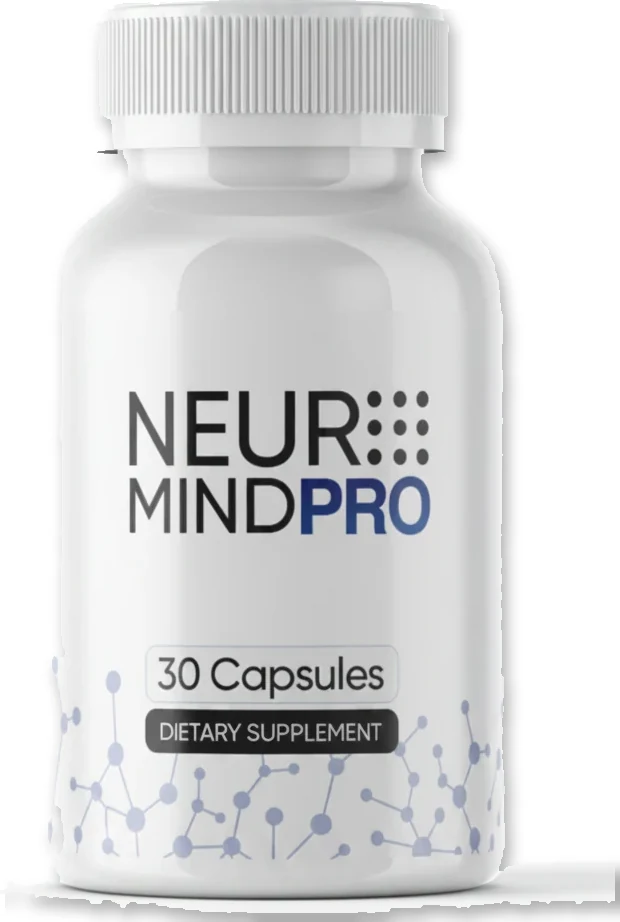
See how Neuromind Pro reads against this table
The panel prints three B vitamins with amounts and a 151 mg blend holding 7 more. The ingredients page sets each row beside the dose its own trials used.
Packs from $158 · six bottles for $294 · 60-day money-back guarantee
Order Neuromind Pro On The Official WebsiteOne capsule a day · 30 per bottle · lot NEU-26/GE-6907