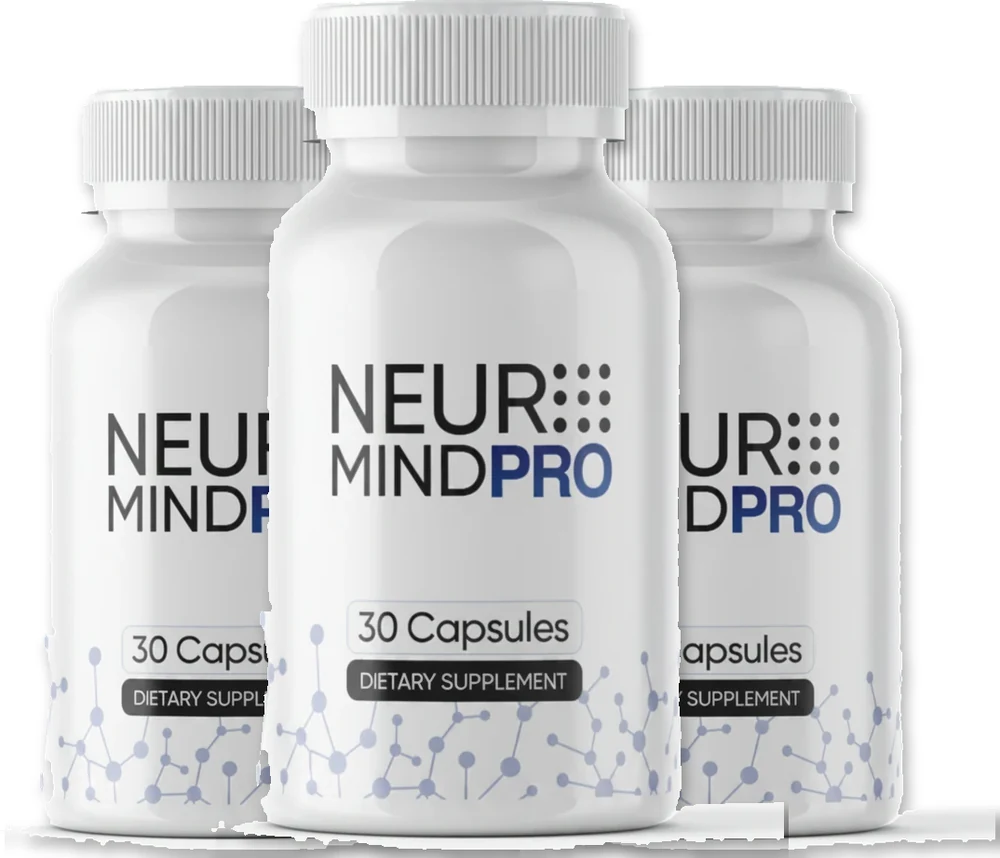
Neuromind Pro Official Website › Side Effects
Side EffectsNeuromind Pro Side Effects: What to Watch For
Most Neuromind Pro side effects come from its stimulant side.
Jitters, a faster heartbeat and late-night wakefulness are the likely ones. Bacopa can upset a stomach taken without food, and B6 at 8.5 mg matters if you take other B6. Ask a prescriber about huperzine-A first.
See who should skip it.
Ingredient by ingredient, with the amount each one was studied at and the interaction that is actually specific to it.
What side effects does Neuromind Pro have?
The short list first, then each item at the amount its own research used.
For a healthy adult who already tolerates coffee, the ingredients here have long records of ordinary use and the effects reported from them are mild and dose-related. The shape of the panel decides which ones are likely: three of the ten named ingredients are stimulants, one vitamin sits close to a published upper intake level, one botanical is hard on an empty stomach, and one extract has a pharmacological mechanism rather than a nutritional one.
- Jitteriness or restlessness in the first few days, from the stimulant side.
- A higher resting blood pressure while the stimulants are active, in proportion to the amount taken.
- Broken or shortened sleep, if the capsule is swallowed late in the day.
- Stomach upset, cramping or loose stools, the effect bacopa's own trials recorded most.
- Headache, more often from a change in the day's total caffeine than from the capsule.
None of that is unusual for a caffeinated formula and most of it answers to timing and food. Two items need more than a bullet: vitamin B6 and huperzine-A.
Three stimulants in one Neuromind Pro capsule
Caffeine, theacrine and theobromine, and what each of the three contributes.
Caffeine sits first on the blend line, which by the labelling rule makes it the heaviest of the seven. It blocks adenosine receptors, and the effects are familiar: a few hours of alertness, then a faster heart rate and restlessness past whatever the individual threshold is. Healthy adults show no adverse effect below 400 mg a day on the systematic review that set that number, and supplemental caffeine pushes blood pressure up in proportion to the amount taken.
The amount inside one capsule sits within the 151 mg the seven share, which caps it well below that daily figure. Count it as an addition to your day rather than a substitute for a cup while you are working out how it suits you.
Theacrine is the second stimulant and the least familiar. A safety study running eight weeks at 200 to 300 mg a day found heart rate, blood pressure and clinical blood work unchanged and, contrary to a claim that circulates widely, no habituation either. Expect it neither to blunt caffeine nor to be blunted by it.
Theobromine is the third and the mildest alone. It is the compound behind strong dark chocolate's lift, slower to absorb and slower to clear than caffeine, and its higher doses raised heart rate while making mood worse. It lengthens the stimulant tail rather than sharpening the peak.
The arithmetic that helps is a total: this capsule, plus coffee, plus tea, plus any cola, pre-workout or energy drink. Dropping one cup on the days you take the capsule is the cheapest way to find out what it does on its own.
How much vitamin B6 does Neuromind Pro contain?
8.5 mg a capsule, against a published adult upper intake of 12 mg.
8.5 mg a capsule, and it is the only ingredient here with a hard number on both sides of it. EFSA set the adult tolerable upper intake level for vitamin B6 at 12 mg a day, and the effect that decides that figure is peripheral neuropathy: numbness, pins and needles, or unsteadiness beginning in the feet and hands.
One capsule is inside the limit and leaves about 3.5 mg of room for everything else in a day. That is less headroom than it sounds, because B6 is one of the most heavily over-formulated vitamins in the aisle: a stress formula can carry fifty times the Daily Value on its own.
The mechanism is understood rather than mysterious. A 2021 review of pyridoxine toxicity sets out how sustained high intake damages sensory nerves, and toxicity has been documented after ordinary daily multivitamin use. It usually reverses once intake stops, which is a reason to notice it early.
- Any B-complex or stress formula, which commonly carries 10 mg to 100 mg in a tablet.
- A daily multivitamin, which is where most unintended B6 comes from.
- Energy drinks and fortified waters, many carrying a full Daily Value or several.
- A combined magnesium-and-B6 product, sold widely for cramp and sleep.
If the total runs past 12 mg a day for weeks at a stretch, the thing to change is the stack rather than this capsule. If this capsule is your only source of B6, the figure is not a concern.
Can Neuromind Pro upset your stomach?
One ingredient causes most of it, and one change fixes most of that.
It can, and the ingredient responsible has an answer that costs nothing. Bacopa monnieri is the usual cause. In the twelve-week randomised trial in older adults, stomach complaints were the main adverse event reported, and that pattern repeats across the bacopa literature: nausea, cramping and loose stools, mild, early, and distinctly worse on an empty stomach.
Food is the standard answer. Taking the capsule with breakfast rather than before it removes the problem for most people, and it fades over the first week or two even in those it does not.
Caffeine contributes too, by raising stomach acid and speeding gut transit. If a morning coffee on an empty stomach already bothers you, a capsule taken the same way will. How to take it puts the food rule and the timing rule together.
Huperzine-A in Neuromind Pro and cholinesterase inhibitors
The one ingredient here that behaves like a drug rather than a nutrient.
Huperzine-A inhibits acetylcholinesterase, reversibly. The enzyme it blocks is the one that breaks acetylcholine down once a nerve has fired, so blocking it keeps that transmitter in play for longer. That is not a botanical tonic mechanism. It is the mechanism class donepezil, rivastigmine and galantamine belong to, the prescription drugs used in Alzheimer's disease.
It is active in microgram amounts. Trials have run at four to eight tenths of a milligram a day, the only researched amount on this panel small enough to sit inside a 151 mg total without strain.
The efficacy record is thinner than the mechanism suggests. The Cochrane review judged the evidence inadequate to support a recommendation while accepting the compound is pharmacologically real. The case for caution therefore rests on what it does rather than how well it works, and cholinergic excess has a recognisable shape: nausea, sweating, excess salivation, a slowed heart rate, cramping, vivid dreams.
Huperzine-A works the same way as a prescription drug class, so the people who should raise it with a prescriber are specific: anyone on a cholinesterase inhibitor such as donepezil, an anticholinergic, or a medicine that slows the heart; anyone with a heart-rhythm condition, asthma, epilepsy or a peptic ulcer; and anyone with a general anaesthetic booked, since neuromuscular blocking agents interact with cholinesterase activity as a matter of routine.
One thing is worth stating outright. No clinical report of an interaction between huperzine-A and those drug classes could be found in the published record, so none is asserted here. The caution stands on a well-described mechanism rather than on a case series that does not exist.
The amount is the other honest point. Because the seven share one 151 mg total, the huperzine-A in a capsule cannot be set against a trial dose. For this ingredient the ceiling sits far above the researched range rather than far below it.
Will Neuromind Pro keep you awake?
Three stimulants in a capsule with no printed hour on the label.
The directions on the bottle read: Take one (1) capsule daily. No hour is specified, which leaves the decision to the panel, and the panel is unambiguous about it. This is a morning capsule.
Caffeine's half-life in a healthy adult runs around five hours, and longer in slow metabolisers, in pregnancy and alongside several common medicines. Theobromine's runs longer still. A capsule taken at four in the afternoon is still working at bedtime for a good many people, whether or not they feel it.
Sleep is the reason to care. It is the largest ordinary drain on attention there is, and a capsule that costs an hour of it has spent more than it bought.
Move the next one to first thing in the morning, rather than skipping a day and starting again later in the week. Caffeine tolerance builds over several days of consistent use, and an every-other-day pattern collects the sleep cost without the adaptation.
Who should not take Neuromind Pro?
The groups the label excludes, and the ones the panel excludes.
The first exclusions are the label's own. The bottle rules out anyone under 18 and anyone pregnant or nursing, and nothing on this website negotiates with that.
- Anyone under 18, and anyone pregnant or nursing. The label states both, and caffeine intake is separately restricted during pregnancy.
- Anyone taking a prescribed cholinesterase inhibitor or an anticholinergic medicine, for the mechanism reason set out above.
- Anyone with a heart-rhythm disorder, uncontrolled high blood pressure, or on a medicine that deliberately slows the heart.
- Anyone with a seizure disorder. Stimulant load and cholinergic activity both belong in that conversation first.
- Anyone whose anxiety is reliably made worse by caffeine. There is no stimulant-free version of this formula to switch to.
- Anyone already at or near 12 mg of vitamin B6 a day from other products.
- Anyone with a general anaesthetic scheduled in the next fortnight.
One more that is practical rather than clinical: anyone who needs an exact milligram of every active will not get one from a blend line. Who it is for takes the positive side.
How to start Neuromind Pro with the fewest side effects
Five things in the first fortnight, and the first one does most of the work.
Take it in the morning, with food
Food answers bacopa. Morning answers the three stimulants. One decision covers both, and it is the highest-value change anyone can make to how this capsule feels.
Cut one coffee for the first three days
Not permanently. Three days is long enough to separate what the capsule does from what your usual intake does.
Count your B6 for the week before you start
A multivitamin, a B-complex, a magnesium-and-B6 tablet, an energy drink. Total it once. If it is already near 12 mg, something else has to give.
Give tolerance a fortnight before judging it
Caffeine adaptation and the bacopa stomach effect both settle over the first week or two. Judging tolerability on day two is judging a body that has not adjusted to anything yet.
Write down what changed, and when
A line a day: the hour you took it, your sleep, your other caffeine, anything you noticed. The results timeline sets out when each part of the panel reports.
When to stop taking Neuromind Pro
The signals that mean a wrong fit rather than a wrong hour.
- Numbness, tingling or unsteadiness in the hands or feet. Stop, and total your B6 from every source in the house.
- A heartbeat that feels irregular, or any chest discomfort.
- Nausea, sweating and excess salivation together, which is the cholinergic pattern rather than an ordinary upset stomach.
- Jitteriness or anxiety still there after two weeks of morning dosing with food. By then the fit is wrong, not the timing.
- Sleep that stays broken despite a morning capsule and a reduced coffee habit.
- Any rash, swelling or difficulty breathing. That is an allergy question, and urgent.
None of those is common and most people will meet none of them. All are worth taking seriously the first time rather than the third, and the 60-day guarantee exists partly so that stopping is not expensive.
The caution printed on the Neuromind Pro label
The bottle's own paragraph, and the two ingredients it points at here.
“Do not exceed recommended dose. Not for use for those under the age of 18 or pregnant or nursing mothers. Consult with a physician prior to use especially if you are taking a medication or have a medical condition.”
That is the manufacturer's wording and it stays as written. Read against this panel, its last clause points at two named ingredients: vitamin B6, because 8.5 mg is a real fraction of a published upper intake level, and huperzine-A, for the mechanism above. The ingredients page carries the same ten names with the research behind each.
The limits of what is known about Neuromind Pro safety
Three things this desk cannot tell you, stated once and in one place.
Three things belong here rather than scattered through the page, and none of them is a finding against the product.
First, the individual amounts inside the blend are not published. The caffeine in a capsule therefore cannot be counted exactly against a day's total, and the huperzine-A cannot be set against a trial dose. What is available is the ceiling, 151 mg shared by 7 ingredients, and a stated ceiling is worth a good deal more than no figure at all.
Second, the finished capsule has not been through a clinical trial of its own. Every dose figure on this desk's pages belongs to one ingredient studied alone, usually at an amount larger than this blend can hold. A combination is not the sum of its parts, and nobody has measured this one.
Third, long-term use of this combination past a few months has not been studied. The individual records vary enormously: caffeine's is vast, theacrine's runs to eight weeks, bacopa's to twelve. Those are limits on the evidence rather than evidence of harm, and they are why the caution printed on the bottle is worth following literally.
Who publishes this Neuromind website?
The eight papers behind the upper intake level, the stimulant figures and the huperzine-A mechanism above.
- EFSA Panel on Nutrition, Novel Foods and Food Allergens (NDA); Turck D, Bohn T, Castenmiller J, et al. Scientific opinion on the tolerable upper intake level for vitamin B6. EFSA J. 2023;21(5):e08006. PMID 37207271. https://pubmed.ncbi.nlm.nih.gov/37207271/
- Hadtstein F, Vrolijk M. Vitamin B-6-Induced Neuropathy: Exploring the Mechanisms of Pyridoxine Toxicity. Adv Nutr. 2021;12(5):1911-1929. PMID 33912895. https://pubmed.ncbi.nlm.nih.gov/33912895/
- Paluszny A, Qiu S. Vitamin B6 Toxicity Secondary to Daily Multivitamin Use: A Case Report. Cureus. 2023;15(11):e48792. PMID 38098895. https://pubmed.ncbi.nlm.nih.gov/38098895/
- Wikoff D, Welsh BT, Henderson R, et al. Systematic review of the potential adverse effects of caffeine consumption in healthy adults, pregnant women, adolescents, and children. Food Chem Toxicol. 2017;109(Pt 1):585-648. PMID 28438661. https://pubmed.ncbi.nlm.nih.gov/28438661/
- Abbas-Hashemi SA, Hosseininasab D, Rastgoo S, et al. The effects of caffeine supplementation on blood pressure in adults: A systematic review and dose-response meta-analysis. Clin Nutr ESPEN. 2023;58:165-177. PMID 38057002. https://pubmed.ncbi.nlm.nih.gov/38057002/
- Taylor L, Mumford P, Roberts M, et al. Safety of TeaCrine, a non-habituating, naturally-occurring purine alkaloid over eight weeks of continuous use. J Int Soc Sports Nutr. 2016;13:2. PMID 26766930. https://pubmed.ncbi.nlm.nih.gov/26766930/
- Calabrese C, Gregory WL, Leo M, et al. Effects of a standardized Bacopa monnieri extract on cognitive performance, anxiety, and depression in the elderly: a randomized, double-blind, placebo-controlled trial. J Altern Complement Med. 2008;14(6):707-13. PMID 18611150. https://pubmed.ncbi.nlm.nih.gov/18611150/
- Li J, Wu HM, Zhou RL, et al. Huperzine A for Alzheimer's disease. Cochrane Database Syst Rev. 2008;(2):CD005592. PMID 18425924. https://pubmed.ncbi.nlm.nih.gov/18425924/
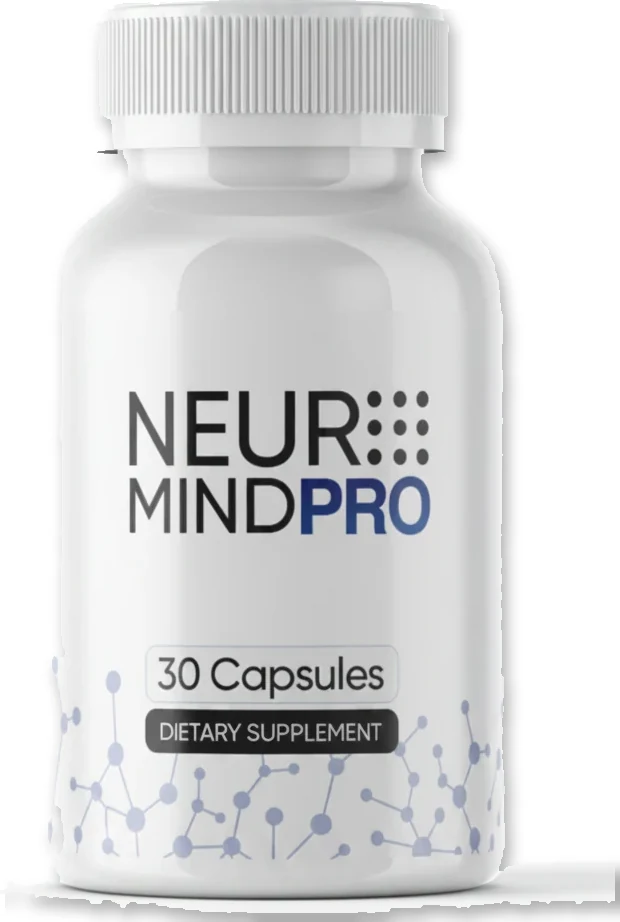
Buy Neuromind Pro with the 60-day window attached
One capsule a day, 30 to a bottle, and 60 days from purchase to decide it does not suit you. Opened bottles are covered.
Packs from $158 · six bottles for $294 · 60-day money-back guarantee
Order Neuromind Pro On The Official WebsiteOne capsule a day · 30 per bottle · lot NEU-26/GE-6907