Neuromind Pro Official Website › Blog › Three Stimulants
Three Stimulants In One Capsule: Caffeine, Theacrine And Theobromine
They are chemical cousins with very different evidence behind them. One is the most studied psychoactive compound in the food supply, one has a handful of trials, and one is mostly what makes chocolate interesting.
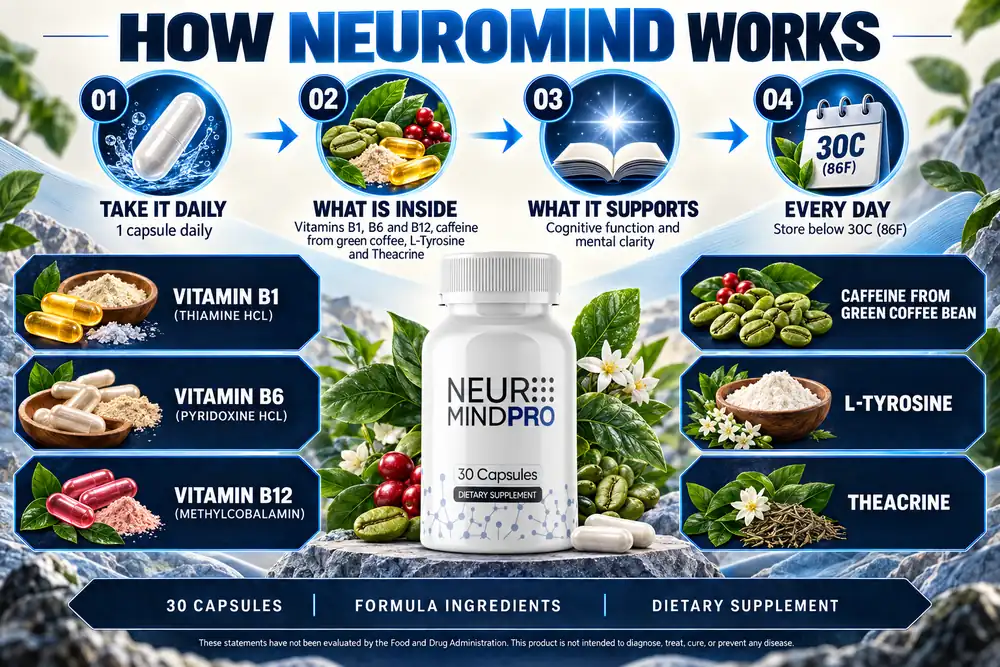
- Caffeine, theacrine and theobromine are all in the blend, so one total covers all three plus four other ingredients.
- Caffeine is the only one of the three with a large, consistent literature on alertness.
- Theacrine has been studied at 125 to 400 mg a day, with a safety study running eight weeks of continuous use.
- Theobromine is the weakest of the three on its own, and the largest human study found worse mood at the higher doses.
- Caffeine raises theacrine exposure rather than blunting it, which is the opposite of the cross-tolerance story that circulates.
Three relatives on one row
Caffeine and theobromine are methylxanthines, which is a family of alkaloids that occur together in coffee, tea and cocoa. Theacrine is a purine alkaloid built on the same skeleton with a couple of differences that change how the body handles it. Related, not interchangeable.
All three sit inside the 151 mg proprietary blend, alongside L-tyrosine, bacopa, rhodiola and Huperzia serrata — the last of which has a mechanism unlike the rest. One total covers the seven, so the stimulant content of this capsule is bounded by that ceiling rather than stated as three figures.
What follows is what each compound does at the doses its own trials used, kept separate from what this capsule contains. That separation is the only way to write about a blend line without inventing numbers.
Caffeine, the one with the strongest record
If anything on this panel produces something you can feel on the first morning, it is this one. Caffeine occupies adenosine receptors, and the behavioural consequences have been measured for decades in laboratories, workplaces and military field studies.
What the dose range looks like
The major review of caffeine and performance places the useful band between roughly 40 mg and 300 mg, with the effects on alertness strongest above about 200 mg. Below 40 mg the effects get hard to separate from noise; above 300 mg the added benefit flattens while the side effects do not.
The outcomes that move are alertness, vigilance and reaction time. Those are worth naming precisely, because they are not the same thing as memory or as learning, and a stimulant that keeps you awake through a task is not the same as one that makes the task easier.
Where the safety ceiling sits
A systematic review of caffeine safety concluded that up to 400 mg a day is generally not associated with adverse effects in healthy adults. That figure is a daily total across every source, which matters here: a capsule of unstated caffeine content is an addition to the day's tally rather than a replacement for a cup.
Theacrine, a close relative with a small literature
Theacrine occurs naturally in kucha tea and has been sold as a supplement ingredient for about a decade. The human evidence base is real, small, and clustered around one branded material, which is worth knowing before reading any summary of it.
A trial comparing it with caffeine and placebo reported more energy and less lethargy on theacrine in young men and women. An eight-week safety study ran 200 to 300 mg a day of continuous use and found no adverse change in heart rate, blood pressure or clinical markers, and no sign of the effect fading with use.
The studied range across the literature runs 125 to 400 mg a day. That is a larger amount than the 151 mg line can hold at the top end, and about four-fifths of the whole line at the bottom.
Theobromine, the weakest of the three alone
Theobromine is the alkaloid that makes cocoa psychoactive at all, and on its own it is not a clean stimulant. The largest human study gave 250, 500 and 1,000 mg to healthy volunteers and found limited subjective effects at the lowest dose, worse mood at the higher ones, and a rise in heart rate across the range.
That is an unusual profile for an ingredient sold for energy, and it explains why theobromine is most often described as contributing alongside caffeine at cocoa-like amounts rather than carrying a formula by itself. The doses at which it has been studied start at 250 mg, which is already well past the 151 mg total.
None of that makes it a bad inclusion. It makes it an ingredient whose contribution here is almost certainly small, which is a reasonable thing for a third stimulant to be.
The three side by side
Laid out together, the differences are easier to hold than the similarities.
| Caffeine | Theacrine | Theobromine | |
|---|---|---|---|
| Where it occurs | Coffee, tea, cocoa. Here, green coffee bean. | Kucha tea and a few related plants. | Cocoa, and chocolate made from it. |
| Studied range | Roughly 40–300 mg; alertness strongest above ~200 mg | 125–400 mg a day | 250–1,000 mg a dose |
| What trials measured | Alertness, vigilance, reaction time | Subjective energy, mood, lethargy | Subjective effects, heart rate, mood |
| Size of the literature | Very large, decades deep | Small, several trials around one branded material | Small and mixed |
| Strength on its own | Dependable | Reported, less replicated | The weakest of the three |
| Fits inside 151 mg? | Not at the alertness dose | Only at the very bottom | No |
Ranges as the published studies used them. All three are in the blend line here, so the label gives one total for the seven rather than a figure for each.
Read across the bottom row and the shape of the blend becomes clear. The stimulant half of this capsule is the half you would notice, and it is also the half whose studied doses are largest relative to what the line can carry.
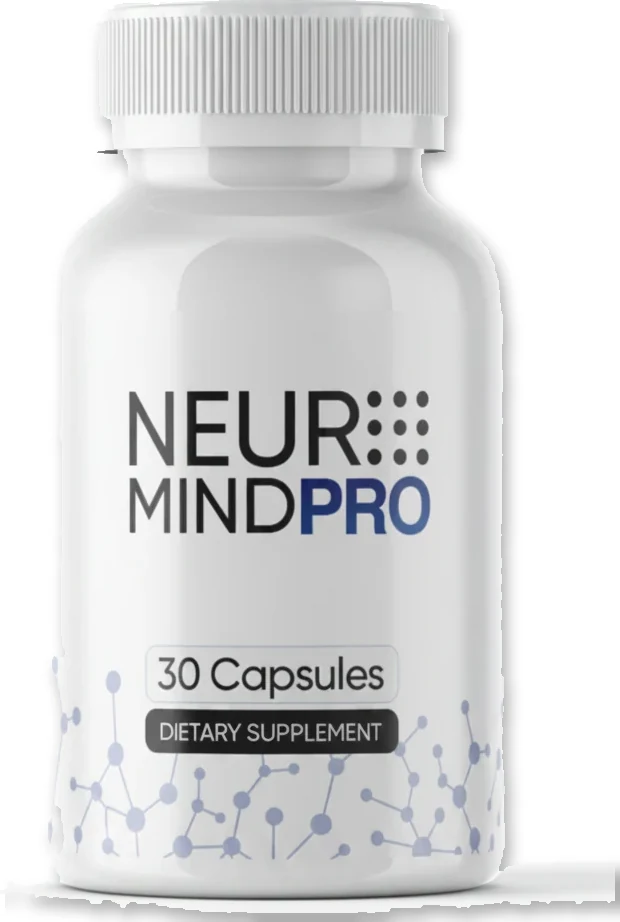
The Neuromind Pro panel, packs and guarantee
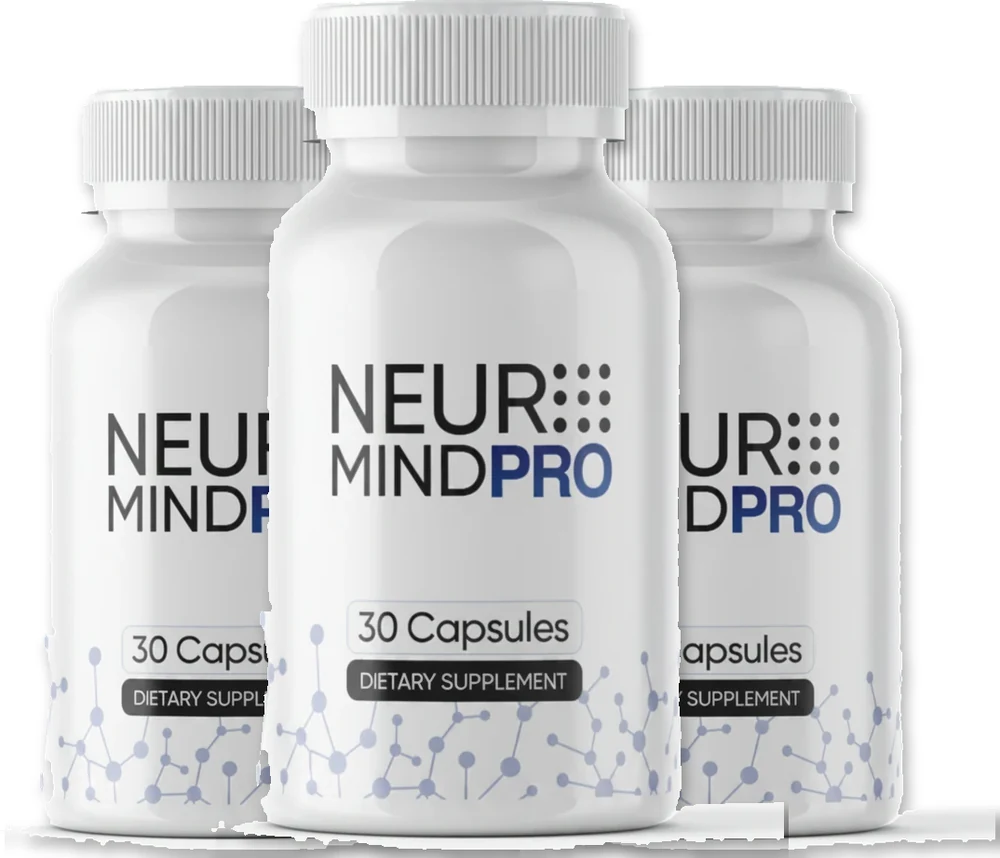
Three B vitamins with their amounts printed, a 151 mg blend of seven, one capsule a day and 60 days from purchase to decide.
Packs from $158 · six bottles for $294 · 60-day money-back guarantee
Order Neuromind Pro On The Official WebsiteOne capsule a day · 30 per bottle · lot NEU-26/GE-6907
What 151 mg can physically hold
The blend total is a ceiling rather than an allocation. Turning the studied doses into a percentage of that ceiling puts the stimulant question in one column.
| Compound | A studied dose | Share of the 151 mg line it would need |
|---|---|---|
| Theacrine, low end | 125 mg | 83% |
| Caffeine, alertness dose | 200 mg | 132% |
| Theobromine, low end | 250 mg | 166% |
| Theacrine, high end | 400 mg | 265% |
| Theobromine, high end | 1,000 mg | 662% |
| All three at their low ends together | 575 mg | 381% |
Seven ingredients share the 151 mg, so a figure above 100% is out of reach even before the four non-stimulant ingredients take their share.
The bottom row is the one worth sitting with. Putting all three stimulants in at the lowest amount any of them has been studied at would need nearly four times the whole blend, before tyrosine, bacopa, rhodiola and Huperzia serrata take anything at all.
That does not mean the capsule is inert. It means the realistic reading is a modest stimulant load rather than a large one, which is useful information for anyone deciding whether to keep their usual coffee. The usage page sets out the timing this desk suggests, and the ingredients page covers the four non-stimulant ingredients sharing the same line.
Green coffee bean, and why no number follows it
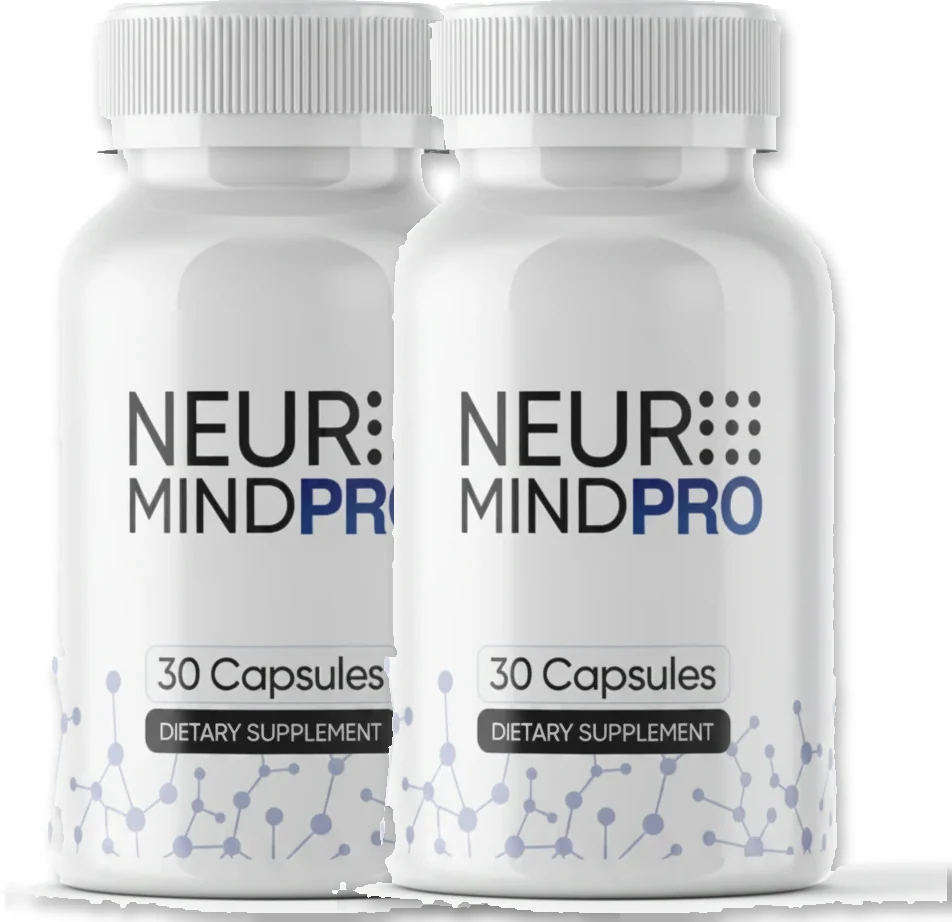
The panel names the source rather than the compound alone: caffeine from green coffee (Coffea arabica) bean. Green coffee is unroasted, and unroasted beans are a lower-caffeine material than the roasted ones in a cup of coffee.
That tells you the direction but not the amount, and no reliable figure converts an unstated weight of green coffee extract into milligrams of caffeine. Anyone quoting one is estimating. The useful takeaway is the practical one: for the first few days, treat the capsule as an unknown addition to whatever else you drink.
Naming the botanical source is normal labelling and it is not evasive. It is simply a row that answers a different question than the one a caffeine-sensitive reader is asking, which is why the who-it-suits page puts stimulant sensitivity near the top of its list.
How to count this capsule into the rest of your day
A short routine covers most of the risk, and none of it is complicated.
- Take it in the morning. Three stimulant compounds in one capsule is not an evening proposition, and caffeine late in the day damages the sleep that attention depends on first.
- For the first three days, drop one of your usual coffees rather than adding the capsule on top. If nothing changes, put the coffee back.
- Take it with food. Bacopa is the ingredient most likely to upset a stomach, and a meal solves it.
- Count energy drinks, pre-workout powders and strong tea into the same daily total. The 400 mg figure is a total from all sources.
- If you manage blood pressure or take a stimulant medication, treat this capsule as part of that arithmetic.
- If you get jittery and it does not settle within a few days, this is the wrong product rather than the wrong hour.
The claim this page will not make
There is a story that circulates about this combination: that theacrine and caffeine are interchangeable, or that theacrine exists to blunt caffeine tolerance. The evidence runs the other way on both counts.
The eight-week study found no habituation to theacrine itself over continuous use, which is a claim about theacrine and not about caffeine. And the drug-interaction study found that caffeine raises theacrine blood levels rather than the reverse. That is the opposite of a blunting effect, and it is the direction worth knowing if you take the capsule with coffee.
So the accurate summary is unexciting: three related compounds with one shared total, the best-evidenced of them capped by a ceiling below its own effective dose, and an interaction that pushes exposure up rather than down.
What the trials do support is shorter and less quotable:
- Theacrine's own effect did not fade across eight weeks of continuous daily use.
- Caffeine raises theacrine blood levels, so taking this capsule with coffee pushes exposure in the same direction rather than the opposite one.
- Neither compound has been shown to substitute for the other, and no trial has tested this particular three-way combination at any dose.
Anyone weighing that against the price will find the three packs on the pricing page, and the buyer feedback, with its limits stated, on the reviews page.
Neuromind Pro is a dietary supplement for healthy adults 18 and over, not a treatment for anything, and it is not FDA-approved. It contains caffeine and two other stimulant compounds. If you are pregnant or nursing, manage blood pressure, or take a stimulant medication, count this capsule into that picture with a clinician before starting.
References
- McLellan TM, Caldwell JA, Lieberman HR. A review of caffeine's effects on cognitive, physical and occupational performance. Neurosci Biobehav Rev. 2016;71:294-312. PMID 27612937. https://pubmed.ncbi.nlm.nih.gov/27612937/
- Wikoff D, Welsh BT, Henderson R, et al. Systematic review of the potential adverse effects of caffeine consumption in healthy adults, pregnant women, adolescents, and children. Food Chem Toxicol. 2017;109(Pt 1):585-648. PMID 28438661. https://pubmed.ncbi.nlm.nih.gov/28438661/
- Kuhman DJ, Joyner KJ, Bloomer RJ. Cognitive Performance and Mood Following Ingestion of a Theacrine-Containing Dietary Supplement, Caffeine, or Placebo by Young Men and Women. Nutrients. 2015;7(11):9618-32. PMID 26610558. https://pubmed.ncbi.nlm.nih.gov/26610558/
- Taylor L, Mumford P, Roberts M, et al. Safety of TeaCrine, a non-habituating, naturally-occurring purine alkaloid over eight weeks of continuous use. J Int Soc Sports Nutr. 2016;13:2. PMID 26766930. https://pubmed.ncbi.nlm.nih.gov/26766930/
- He H, Ma D, Crone LB, et al. Assessment of the Drug-Drug Interaction Potential Between Theacrine and Caffeine in Humans. J Caffeine Res. 2017;7(3):95-102. PMID 28875060. https://pubmed.ncbi.nlm.nih.gov/28875060/
- Baggott MJ, Childs E, Hart AB, et al. Psychopharmacology of theobromine in healthy volunteers. Psychopharmacology (Berl). 2013;228(1):109-18. PMID 23420115. https://pubmed.ncbi.nlm.nih.gov/23420115/